
Edition R - INCORPOREAL LANDSCAPE
Mar 13 – Apr 14, 2024
Gallery Hyundai
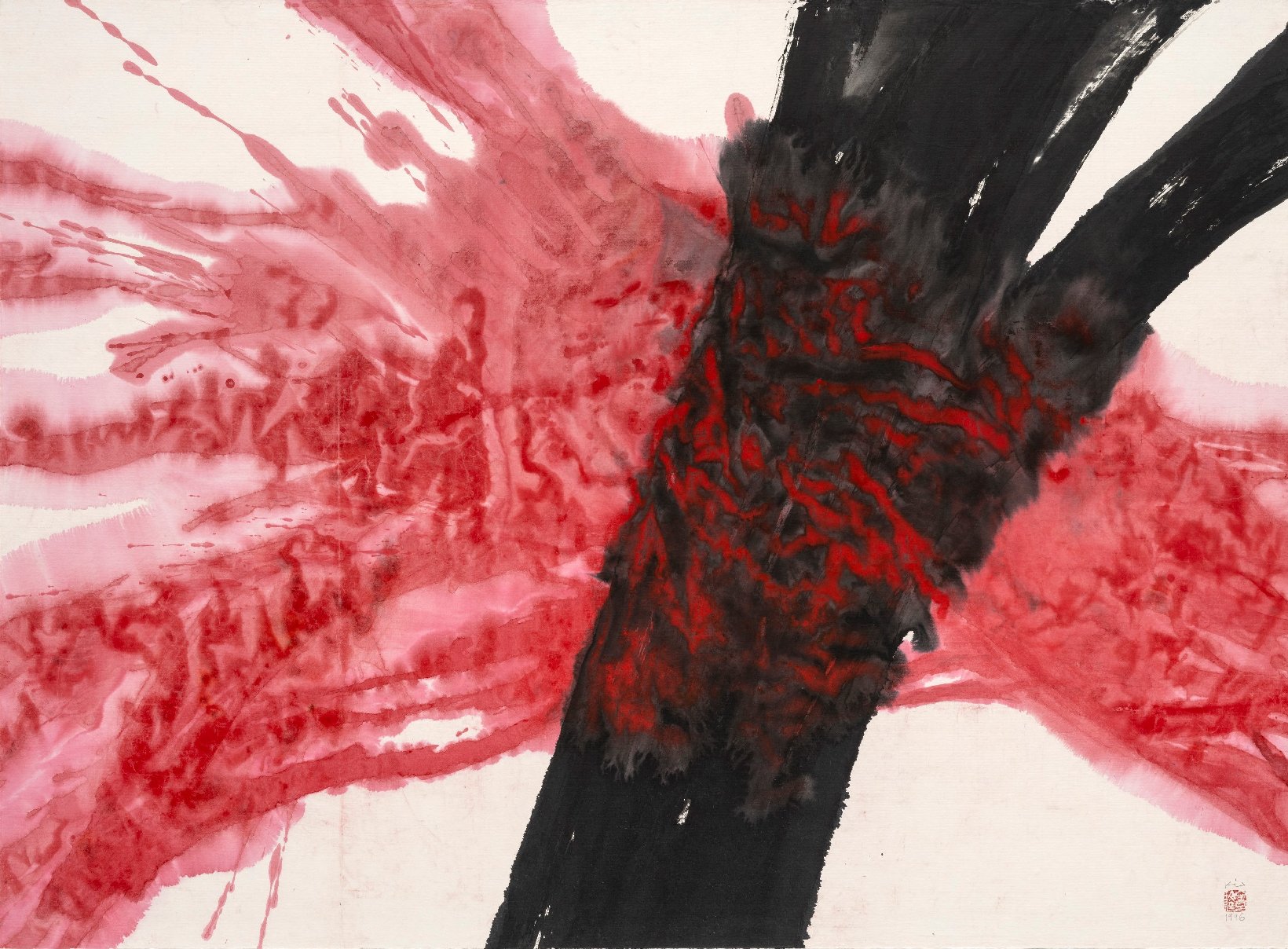
Gallery Hyundai presents Incorporeal Landscape, a group exhibition featuring Minjung Kim (b. 1962), Yun-Hee Toh (b. 1961), and Chung Zuyoung (b. 1969), as part of the gallery’s newly launched project Edition R. Edition R aims to Revisit earlier works of artists represented by Gallery Hyundai, Reevaluate their aesthetic achievements from a contemporary lens, and Revive their past selves and practices to extend into the present. By examining the breadth of creative trajectories connecting the past, present, and future of each artist, Edition R proposes a more enriched and immersive experience of aesthetic journeys throughout each artist’s’ oeuvre.
The Chinese characters of poong-gyeong, the Korean vocabulary for “landscape,” literally translates to: a view created by the wind. This indicates the space between the observer and the object through which the wind passes; it is the world before our eyes, the world we encounter. Incorporeal Landscape introduces major early works by Kim, Toh, and Chung whose themes broadly encompass the entire spectrum from the tangible reality to the invisible scenery beyond. The exhibition presents a survey of major works by the three artists from the mid-1990s to the late 2000s, produced from when they were in their twenties to forties: Minjung Kim’s aesthetic interpretations of the relationships between human and nature; the internal landscapes of Yun-Hee Toh, moving from imperceptible awareness to a recognition of reality; and Chung Zuyoung’s challenges to the very concept of landscape-as-subject, reselecting and retransforming landscapes that have already been selected and transformed.
“For me, a “landscape” is something that is projected onto my heart and eyes at the synchronization between myself and the full state of nature, as-is, when my heart and head have been completely emptied; it’s the moment that landscape and I become one. That is when the landscape moves through me, via lines or other various ways, into my work.” — Minjung Kim, 2024
Over the past three decades, Minjung Kim has created an original body of work that combines the tradition of jipilmuk (paper, brush, and ink), a heritage of East Asian painting, with the figurative language of Western abstract art. Based between Europe and the United States, the artist has established an international reputation, with solo exhibitions at Hill Art Foundation, New York, in 2020; Langen Foundation, Neuss, in 2019; and White Cube, London, in 2018.
Kim’s works presented in Incorporeal Landscape were completed between the mid-1990s and early 2000s when she was in Italy. After moving to Italy in 1991 to enroll in the Accademia di Brera in Milan, in stark contrast to the dominant academic trend toward video and photography at the time, the artist instead chose hanji (traditional Korean paper) as her choice medium — a material with which she had been trained through calligraphy since childhood. With Western paper, the medium tends to sit and dry on the surface; hanji, however, is presents a tendency to soak solvents. In addition, watercolor pigment — the artist’s main medium at the time — pushes against meok ink, creating a compelling interaction between the two mediums on the surface plane. From the 1990s, Minjung Kim presented a series of ink and watercolor abstract paintings that highlights this relationship between the two types of pigment, characterized by her use of smudging and smearing effects; moving into the early 2000s, the artist begins to incorporate fire by literally burning parts of her works, showcasing an original aesthetic formality as she prepares for a drastic transformation that abandons the conventions of East Asian painting.
For Minjung Kim, the 1990s was a period of embracing a variety of sensory stimuli and deepening her knowledge of Eastern philosophy. From this foundation, she goes on to present landscapes from a Buddhist perspective that reflect her realizations about “emptying” one’s heart and mind. To Kim, a “landscape” happens when the heart and head have been completely emptied and the full state of nature, as-is, is projected onto her heart and eyes, rendering them as one. The titles “La terra”, “Primavera” and “Eclisse” which are Italian for earth, spring, and lunar eclipse, also signal that the artist was inspired by natural phenomena.
“For me, painting is life. The artist's subject is the artist's cause, and painting serves as a reflection of one's inner reality. Therefore, painting reflects the artist’s inner reality, and each exhibition offers up my inner world to the gaze of the other.” — Yun-Hee Toh, 2024
Yun-Hee Toh, over the past four decades, has been constructing a poetic visual language through abstract paintings that utilize a variety of techniques. Toh has received international recognition, including becoming the first Asian artist to hold a solo exhibition at Galerie Beyeler, Switzerland in 2007.
The works by Toh presented in this exhibition, completed between 1996 to 2009, are characterized by her unique texture and depth created by multiple layers of varnish applied over graphite drawings. From the 1990s to the mid-2000s, the artist explored worlds invisible to the naked eye — like cells and the cross-sections of fossils — with her “Being” series. Toh explains that during this phase of intense focus on invisible worlds, Toh was particularly fascinated with the concept of temporality. The images she constructed evoke a variety of forms, from layered sections of forest and the movement of vapor to floating cells. In this vein, the artist would examine a cross-section of a cell or fossil and transform the imagery she discovered into an abstract frame. During this period, Toh worked concurrently with both literary and visual languages, keeping a written diary where she noted the beauty she observed in the world around her and later borrowing some of those phrases as titles for her works. Examples of this practice in this exhibition include Night Erases Day (2007-2008), Two Silences of Heaven and Earth were Being Linked (2004) and A Certain Time is Darkened by the Sunlight (2008-2009). In Night Blossom, a solo exhibition at Gallery Hyundai held in 2015, Toh left every one of her exhibited works Untitled, signaling a break with these earlier literary elements and a turn toward embracing the color she had long suppressed. According to Toh, a poetic beauty exists in everything that humans witness and feel, encompassing various phenomena and materials encountered in our daily lives. One might say that her work is the process of transferring this “poetry” onto canvas.
Yun-Hee Toh explains her own work as follows: “My work seeks to discover the beauty hidden behind the surface of the world, of different phenomena and events and so on. And “beauty” here does not refer to trends or pretty things. Beauty isn’t something shiny or sparkling — it’s in things that only reveal themselves over time, things that strike me, things that flow through the shafts of everyday life, like truth. Beauty is an ethic.”
“I consider seeing to involve issues of tradition and archetype by engaging collective memory and recollection beyond individual sensory experience. In today’s world, where the act of “seeing” can be compared to optical devices and issues of memory are being digitized into data, I believe that seeing is still a vital channel through which human perception and cognitive systems interact with the outside world.” — Chung Zuyoung, 2024
Chung Zuyoung is a leading mid-career painter in the Korean art scene, widely known as the “master of mountains.” From the mid-2000s until recently, she has been translating mountain landscapes onto canvas. The mountain is a major shared theme of the genre known as landscape painting in Western and Eastern traditions alike; for Chung, landscape painting has been an arena for methodological experimentation.
Of the works presented in this exhibition, Kim Hong-Do, Sijungdae Rock (detail) (1998), Kim Hong-Do, Kahakjong Pavilion (detail) (1996), and Chong Son, Clearing After Rain in Inwangsan Mountain (detail) (1999), were painted while Chung was studying abroad in Amsterdam between 1995 and 1997., Some of them were created shortly afterward, in 1998 and 1999, after she returned to Korea. In these works, Chung does not paint mountains directly from life; rather, she takes a small part of the pictorial space in which Kim Hong-Do and Chong Son translated their ideals into reality, magnifies its scale, and paints it onto a large canvas. In other words, in a continuous relationship with the original, Chung's works construct a new pictorial space, presenting a world of "in-between" paintings that sit in the duality between the real and the imagined, the abstract and the concrete. In the artist’s own words, she creates "portraits of landscapes that are rooted in our perception, reaching beyond the conceptual and abstract to tap the specific, primal dimensions of sensation and experience.”
These works are landscapes that mark the beginning of Chung’s adoption of the “mountain” as a painting methodology. “What is a painting about painting?" This question, which the artist asked herself when she began to seriously explore painting during her early years of study in Germany, found an answer in the concept of "jin-gyeong," or “true-view,” which she first encountered in the work of Joseon Dynasty painters Kim Hong-Do and Chong Son. The artist explains: “The true-view landscape painting as a genre is itself an interpretation of the natural world as well as a worldview, and that naturally led me to the more specific subject of the mountains. That marked the moment when I re-conceptualized the mountains of Kim Hong-Do and Chong Son’s paintings as akin to the most important subjects of Western landscape painting. The shapes of mountains and rocks have often been compared to the human body in the history of painting in East and West alike, which connects to my Alps series and, more recently, expands to the Meteorologica series. In retrospect, it was certainly a journey toward the theme of this exhibition — landscape — which rather makes it all the more meaningful.” In this way, one may even state that Chung’s exploration of landscape has essentially been an examination of our attitudes toward landscape, our interpretation of landscape, and the contemporary meaning of landscape.
Showcasing the respective “landscapes” of three artists, Minjung Kim, Yun-Hee Toh, and Chung Zuyoung, Incorporeal Landscape guides the viewers into a beautiful moment of reflection on the ways “I,” as a subject, might see and sense landscape, as well as the vibrant singularity of each landscape we gaze upon.
갤러리현대는 새롭게 선보이는 프로젝트 ‘에디션 R’의 일환으로 김민정(1962년생), 도윤희(1961년생), 정주영(1969년생) 세 작가의 작품을 선보이는 기획전 《풍경》을 개최한다. ‘에디션 R’은 갤러리현대 작가의 과거 작품을 되돌아보고(Revisit), 현재의 관점에서 미학적 성취를 재조명(Reevaluate)하여 작품의 생명을 과거에서 현재로 부활(Revive)시키고자 하는 프로젝트이다. 나아가 작가들의 과거와 현재, 미래로 이어지는 연속적인 창작 행위의 지평을 살피고 작가의 작품 세계에 대한 미적 여정을 보다 입체적이고 풍부하게 접근할 수 있는 경험을 제시하고자 한다.
풍경(風景)을 한자어로 풀면 ‘바람이 만드는 경치’라는 의미이다. 나와 내가 바라보는 대상 사이로 바람이 지나는 공간의 존재로 우리의 눈앞에 펼쳐진, 우리가 마주하는 세계라 할 수 있다. 《풍경》 전은 현실과 그 너머의 비가시적인 풍경까지 주제를 폭 넓게 아우르며 김민정, 도윤희, 정주영의 초기 주요 작품을 소개한다. 자연이라는 대상과 우리가 맺는 관계를 심미적인 풍경으로 형상화한 김민정의 작품, 비가시적인 인식에서 시작하여 실체를 인식하는 도윤희의 내적인 풍경, 이미 선택되어 변용된 풍경을 다시 선택하고 변용함으로써 풍경이란 주제가 가지고 있는 개념에 도전하는 정주영의 풍경까지, 1990년대부터 2000년대 주요 작품을 소개하며 세 작가가 20대에서 40대에 마주했던 각각 ‘풍경’을 소개한다.
“제가 생각하는 풍경이란, 내 마음과 머릿속을 완전히 비운 뒤 있는 그대로의 자연 상태가 내 마음과 눈에 투영되어 그 풍경과 내가 하나가 됐을 때를 의미합니다. 그럴 때 그 풍경이 나를 통해, 선이나 다양한 방식을 통해 작업으로 전유됩니다.” – 김민정, 2024
김민정은 지난 30여 년 동안 동아시아 회화 예술의 유산인 지필묵(紙筆墨)의 전통을 서구 추상미술의 조형 어법과 결합하는 독창적인 작품을 발표해 왔다. 유럽과 미국을 중심으로 활동해 온 작가는 2018년 영국 런던의 화이트큐브, 2019년 독일 노이스의 랑겐 파운데이션, 2020년 미국 뉴욕의 힐 아트 파운데이션에서 개인전을 개최하며 국제적인 명성을 쌓아 오고 있다.
《풍경》 전에서 소개되는 김민정의 작품은 1990년대 중반부터 2000년대 초반까지 작가가 이탈리아에서 머물며 완성한 작업들이다. 1991년 이탈리아로 떠나 밀라노 브레라국립미술원에 입학한 그는 영상과 사진 작업이 주를 이루던 당시 학업의 분위기와는 반대로 어린 시절부터 서예를 통해 익숙하게 다뤄온 한지를 재료로 삼는다. 한지는 재료가 표면 위에서 마르는 서양 양지와는 다르게 스미는 특징을 지닌다. 또한, 당시 작품의 주재료인 수채 물감의 안료 성분이 먹을 밀어내며 그의 작품에서 흥미로운관계를 맺는다. 김민정은 1990년대 먹과 수채 물감의 관계, 얼룩과 번짐 효과를 극대화한 일련의 수묵 채색 추상 작품을 발표하고, 2000년대 초반부터 작품의 일부를 불로 태워 동아시아 회화 예술의 관례를 폐기하는 과감한 변신을 준비하며 독창적인 조형미가 돋보이는 작품 세계를 선보인다.
1990년대는 작가에게 다채로운 감각적 자극을 받아들이고 동양철학에 대한 지식을 습득하는 시기였다. 이를 시작으로 그는 생각과 마음의 ‘비움’에 대한 깨달음을 담은 불교적 관점의 풍경을 선보인다. 마음과 머리를 완전히 비운 뒤 있는 그대로의 자연 상태가 마음과 눈에 투영되어 나와 하나가 됐을 때의 상태가 비로소 작가가 보는 ‘풍경’이라 할 수 있다. 대지, 봄, 월식을 뜻하는 이탈리아어의 제목 〈La terra〉, 〈Primavera〉, 〈Eclisse〉는 작가가 자연 현상에서 받은 영감을 작품화했음을 암시한다.
“제게 그림을 그리는 것은 삶입니다. 작가의 주제는 작가의 원인이고, 페인팅은 내적 현실의 반영입니다. 그래서 그림은 작가의 내면 현실의 반영이며, 전시는 타인의 시선에 저의 내면을 내어놓는 것입니다.” – 도윤희, 2024
도윤희는 지난 40여 년 동안 다양한 기법의 추상회화를 통해 시적인 시각 언어를 구축해 왔다. 2007년 스위스 갤러리바이엘러에서 아시아 작가로는 최초로 개인전을 개최하는 등 국제적으로도 주목을 받았다.
이번 전시에서 소개되는 도윤희의 1996년부터 2009년까지의 작업은 흑연 드로잉 위에 바니시를 반복적으로 칠한 독특한 질감과 깊이감이 돋보이는 작품들이다. 작가는 1990년대부터 2000년대 중반까지 세포나 화석의 단면과 같이 보이지 않는 세계를 탐구하며 ‘Being’ 연작을 남겼다. 그는 보이지 않는 세계에 대해 집중하던 당시, 시간성에 매료되었다고 설명한다. 그가 구축한 화면은 겹겹이 자리한 나무숲의 단면, 수증기의 움직임, 부유하는 세포들 등 다양한 형상을 연상한다. 이렇듯, 작가는 세포 또는 화석의 단면을 관찰하고 발견한 이미지를 추상의 화면으로 승화했다. 이 시기 도윤희는 문학적 언어와 시각적 언어 양쪽의 작업을 동시에 진행하며, 세상으로부터 포착한 아름다움을 일기로 쓰고, 작품의 제목으로 일부 문구를 차용하기도 했다. 이번 출품작 중 〈밤은 낮을 지운다〉(2007-2008), 〈천국과 지상의 두 개의 침묵은 이어져 있다〉(2004), 〈어떤 시간은 햇빛 때문에 캄캄해진다〉(2008-2009)와 같은 작품의 제목이 그의 글귀에서 인용되었다. 이후 2015년 갤러리현대에서 열린 개인전 《Night Blossom》에서 작가는 작품 제목을 모두 ‘무제’로 정하며 문학적 요소와 결별을 암시하고, 억제했던 색을 받아들이기 시작한다. 도윤희는 삶에서 마주하는 현상과 물질 등 인간이 보고 느끼는 모든 것에 시적인 아름다움이 존재한다고 말한다. 그의 작업은 이 ‘시’를 화면으로 옮기는 과정이라 할 수 있다.
도윤희는 자신의 작업에 대해 다음과 같이 설명한다. “제 작업은 세상, 현상, 사건 등 표면 뒤에 숨겨진 아름다움을 발견하는 일입니다. 여기서의 아름다움은 유행이나 예쁜 것(pretty)을 지칭하는 것이 아닙니다. 아름다움은 반짝이는 것이 아니라 시간이 지속되어야 드러나는 것들, 나를 적중하는 것들, 진실과 같이 일상의 갱도에 흐르고 있는 것들이죠. 아름다움은 윤리입니다.”
“본다는 것은 개인의 감각적 경험을 넘어 집단의 기억, 회상을 통해 전통이나 원형의 문제를 수반한다고 봅니다. ‘봄’의 행위가 광학 장치와 비교되고 기억의 문제도 디지털 데이터화되는 지금의 환경에서, 여전히 본다는 것은 인간의 지각과 인식체계가 외부와 상호작용하는 통로라고 생각합니다.” – 정주영, 2024
정주영은 한국 미술계를 이끄는 중견 화가로 ‘산의 작가’로 통한다. 2000년대 중반부터 최근까지, 작가는 산의 풍경을 캔버스로 옮겨 그렸다. ‘산’은 서양회화에서는 풍경화, 동양회화에서는 산수화로 불리는 장르의 대표적인 공통 화제(畵題) 중 하나로, 정주영에게 풍경화는 회화의 방법론을 실험하는 장이다.
이번 전시에 소개되는 작품 〈김홍도, 시중대 (부분)〉(1998), 〈김홍도, 가학정 (부분)〉(1996), 〈정선, 인왕제색 (부분)〉(1999)은 1995년에서 1997년 사이 작가가 암스테르담에서 유학하던 시기에 그려졌고, 일부는 그 직후인 1998년과 1999년에 한국으로 돌아와 제작된 작업이다. 이 작품들에서 정주영은 산을 직접 보고 그리는 것이 아니라, 김홍도와 정선이 이상을 현실에 옮겨 놓은 그 회화적 공간의 작은 일부를 대형 캔버스에 확대해 그린다. 즉, 원본과 이어지는 관계 속에서 정주영의 작품은 새로운 회화적 공간으로 구축되며, 진경과 실경, 관념과 실재, 추상과 구상 사이에 놓인 이중적인 ‘틈’ 회화의 세계를 제시한다. 작가의 말처럼 “관념과 추상을 넘어선 감각과 체험의 구체적이며 원초적인 차원으로 우리 인식의 뿌리를 잡아 이끄는 풍경의 초상”을 완성한다.
이 작품들은 작가가 ‘산’을 회화의 방법론으로 삼게 된 시작점에 있는 풍경들이다. ‘회화에 대한 회화란 무엇일까?' 독일 유학 초기 회화를 진지하게 탐구하기 시작했던 작가가 스스로에게 던진 이 질문은 조선시대 문인 화가인 단원 김홍도와 겸재 정선의 진경산수를 만나면서 “진경”이라는 개념에서 그 해답을 얻게 된다. 작가는 “진경산수는 그 자체로 풍경의 해석과 세계관을 보여주는 것이었기에 자연스럽게 산이라는 구체적 소재에까지 이를 수 있었습니다. 김홍도와 정선의 산수화에 등장하는 산을 서양 회화의 풍경화에서 중요한 화재(畫材)로 재인식하게 된 순간이었습니다. 산과 바위의 형상은 동서양의 회화론에서 흔히 인체와 비견되곤 했기에 알프스 연작으로도 연결되었고, 최근에는 기상학 연작으로 확장되었습니다. 돌아보건대 풍경이라는 이번 전시의 주제를 향한 여정이었다는 점에서 의미가 있었을지도 모르겠습니다.”라고 이야기한다. 이렇듯, 정주영이 일궈온 풍경에 대한 탐구는 결국 풍경을 바라보는 우리의 태도, 풍경에 대한 해석과 그것의 동시대적 의미를 살펴 온 것이라고 할 수 있다.
《풍경》 전은 김민정, 도윤희, 정주영 세 작가의 각각의 ‘풍경’을 보여주며, ‘나’라는 주체가 풍경을 어떻게 바라보고 감각할 수 있는지, 우리가 바라보는 풍경이 제각각 얼마나 다채로운 것인지, 그것을 되새겨 보는 아름다운 시간으로 안내한다.
Installation Views
{{ lbCurrent.title }}
{{ lbCurrent.text }}