
Stroke
Dec 14, 2023 – Jan 21, 2024
Gallery Hyundai
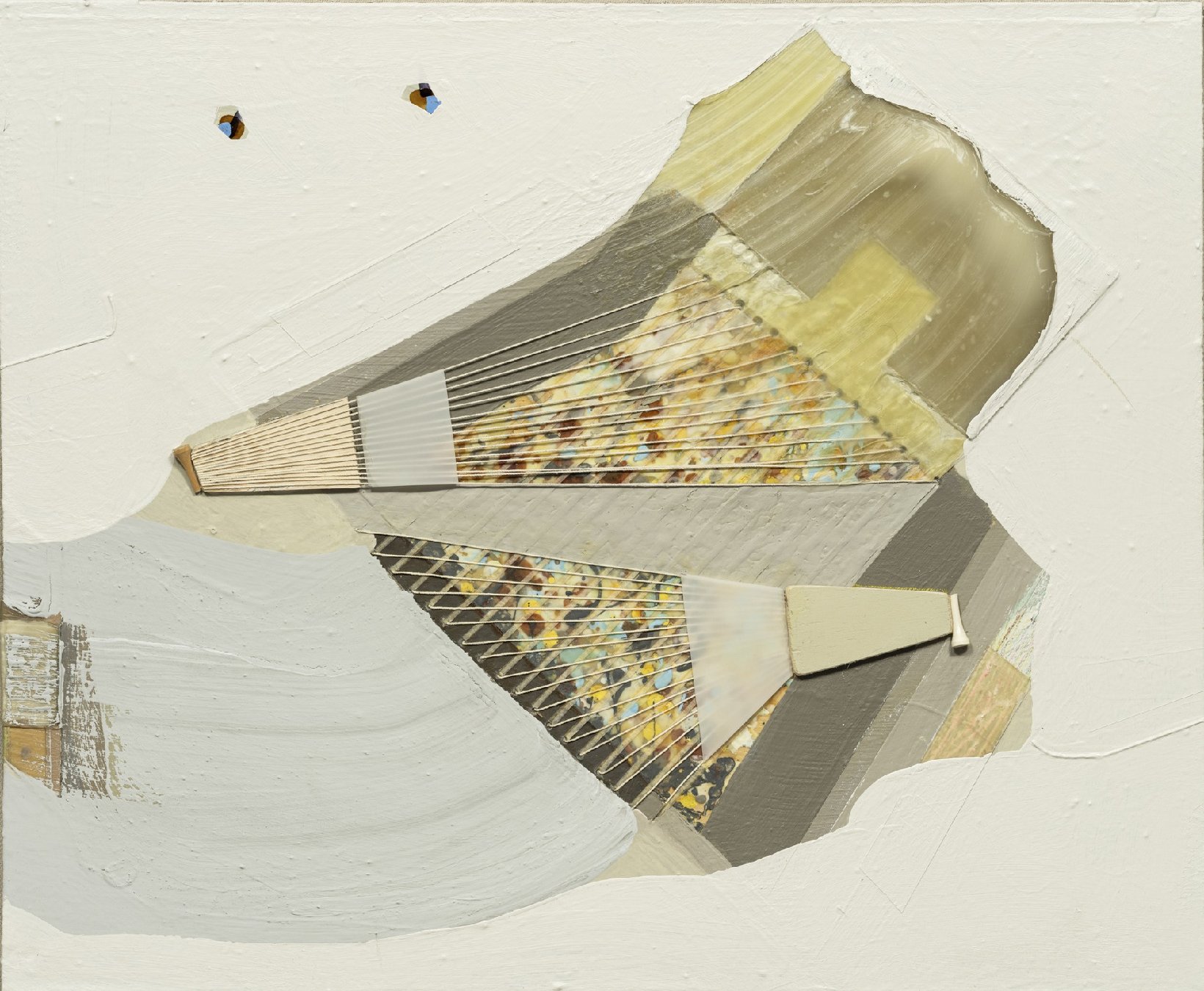
Gallery Hyundai is pleased to present Stroke, a solo exhibition of Choong Sup Lim, from December 14, 2023, through January 21, 2024. This marks the artist’s third exhibition at Gallery Hyundai following Monochromatic Thinking in 2017 and Drawing, In Between in 2021. Stroke examines Lim’s works over the last four decades, from the mid-1980s when Lim began devising his unique artistic language after his move to New York in 1973, to recent works of 2023. The exhibition underscores the aesthetic achievements of the artist who has developed a unique world of art in the Korean art scene, holding various experiments on the formality between Western modern art and Eastern calligraphy and features around forty works of a diverse range such as shaped canvas, drawings, found objects, reliefs, assemblage, and multimedia kinetic installations.
Over the past 40 years, Lim has explored an oeuvre that serves as a bridge between binaries such as Korea (East) and the US (West); nature (rural) and civilization (urban); past and present; void and fullness; flatness and three-dimensionality; and abstraction and figuration. He does so through a variety of media including drawings, shaped canvases, found objects, assemblages, kinetic installations, photography, video, and sound. To Lim, a multimedia artist who has established an expansive art world, nostalgia for his childhood spent in rural nature and for his mother who passed away at an early age have been appropriated to themes like the East, nature, the past, blankness, and horizontality at the core of his work. Between his life in New York, a civilized city full of vertical skyscrapers, and memories of his nature-filled childhood in nature on the wide horizontal fields, the artist acknowledges his own identity as an “in between” entity that connects the two and embraces it as a creative driving force and visual motif of his practice. The phrase “in between” encapsulates the essence of Lim’s art practice. It is a combination of “between” as the space or distance between two places or objects and “in” that links these two entities. The artist emphasizes that his work results from formal gestures that supply visual humor within this process of mediation, himself serving as the catalyst in, for instance, understanding the void in Oriental painting in association with minimalism. Lim is boundless in his choice of materials. Greatly inspired by Marcel Proust's remarks that “all objects have memories,” Lim uses branches, soil, and industrial items found on the streets as materials in his works. Such practice invites the viewer on a journey of familiar yet unfamiliar sensations between nature or humans and civilization, and between personal memories and the present. The exhibition title Stroke encompasses the artist’s practice from the brushstrokes of calligraphy and the Eastern philosophy of Qi to incorporating Western materials such as oil and acrylic as well as objects that reflect everyday memories and individual histories onto the canvas, highlighting the core and origin of Lim’s unique aesthetics.
The shaped canvas works of Asian Character in the Vertical Line and White Hangul on the first floor of the gallery greet visitors like totems guarding the entrance to a tribal village. Modern and minimal in their colors and forms, the two works feature Chinese characters and the initial consonants of the Korean language. In Asian Character in the Vertical Line, Chinese characters are written densely in between lines that symbolize Western verticality and vertical structures (buildings), resulting in a unique work that harmonizes Eastern and Western aesthetics. White Hangul, in which the consonants and vowels of the Korean alphabet are drawn in a minimalist form between white spaces, the artist's witty and minimalist approach to the Eastern art of emptiness and the formative nature of the Korean alphabet is highlighted. On the other side of the gallery are pyramid-like structures reminiscent of an archeological site with soil piled on top of them, along with a vertical stack of rectangular clods of soil. In this work Soil, which converts the first floor of the exhibition space into a historic site, the artist employs curves in certain structures as symbols of nature and Eastern architecture, not only overturning the linear style of Western architecture but also simultaneously achieving harmony between the two. Furthermore, a harmonic scene between nature and civilization is presented through a side-by-side placement of a concrete and plastic structure next to soil, a source of life for all plants and animals including humans. Soil is the foundation of life for all living organisms and a gift of Mother Nature; for Lim, it acts as a medium to his past, a signifier of his nostalgia for nature, childhood, and his mother. The insight into the finiteness of life, the cycle of nature, and the limitations of humans, as reflections of losing his mother when he was young, quietly permeates his work.
The high-ceilinged gallery on the second floor presents Gil-ssam, a kinetic installation piece that visualizes the harmonious encounter between nature and civilization in an architectural approach. A structure resembling a traditional loom leans against the wall, while another structure made of wood and Korean traditional thread rises from the floor and descends from the ceiling, both in the face of each other and rotating in opposite directions. This is reminiscent of a traditional loom where weft and warp threads are cross-woven one by one to create fabric. In the video that unfolds on the floor, a bright Hawaiian moon appears along with the Hudson River, which flows near the artist's studio. Gil-ssam utilizes the floor, walls, and ceiling of the exhibition space to embody the work, alluring viewers with its modern architectural arrangement and formative aesthetics through natural sources and materials. The Eastern philosophical approach to finding truth through nature and void and the conceptual installation art practice of a Western art historical standpoint are all incorporated into one work. The artist thus serves the role of an intermediary, an “in between” entity, for the coexistence between civilization and nature, and between the East and the West.
The low-ceilinged gallery on the second floor features a unison of Eastern sentiments and modern aesthetics by presenting Untitled - Wing, a canvas work that reveals the weaving culture of Eastern tradition in the artist's material experiments, alongside the sculptural works Untitled and Untitled - 1000 Watts, which highlight their architectural structure and meticulous texture. Also featured are canvas works of formative and media experiments from the 1990s to the 2020s in the artist's unique use of color. Among the body of works which are mostly untitled, as in Untitled – Parenthesis, Untitled – Si-eut, and Composition – Hin, these pieces fascinate the viewers with the figures on the plane that have visual similarities with the referents of symbols, language, form, and color; allowing them to freely imagine between the visible work and the referent of the title. Filling up a whole wall of the exhibition space are found objects that the artist discovered on the streets of New York over the course of around 20 years. The artist, who believes that all objects have memory and history, paints and sculpts found objects, then rearranges them to create a unique narrative. Numerous objects including the Manual of the Mustard Seed Garden on the theory and practice of Oriental painting, a colored bicycle seat inspired by the blue sky, iron pieces found in an old building in New York, a rusty iron ring fallen on the street, a broken shoelace, a collage of magazines on fallen leaves all come together to build a new history.
The gallery downstairs presents iconic relief sculptures and object assemblage works. These works represent the artist’s unique, non-categorical genre that stands between the boundaries of flatness and three-dimensionality, making it difficult to define as painting or sculpture. His relief works are distinctive as if symbolizing parts of living or stuffed animals and plants. The referents along with the title Untitled relate to the shape of the work and guide the viewers to the imaginary place in between. Untitled - Yeul. Joong. Shut was conceived by taking the Yeul. Joong. Shut, a resting standing posture, which the artist felt was the most comfortable aspect of his military training, and combining it with transparent materials of different mediums and textures. Most of Lim's works begin with his memories that accumulated and weathered over a long period, evident in the assemblage series Scape-Fossil@Dialog, which are displayed side-by-side as if placed on a small shelf. Materials with various properties and uses, such as tree branches, bird feathers, chopsticks, fur used in clothing, industrial nails and zippers, rulers, window nets, and toilet paper—all found while walking the streets of New York—are arranged or overlapped onto the same surface. A variety of unidentified objects with material and conceptual heterogeneity are arranged in a small box-like space, resembling a stage of a play, exhibiting the artist’s memories. The exploration of the coexistence and harmony of superficially incompatible objects and crossing genres among painting, sculpture, and installation mark a unique standpoint throughout Lim’s oeuvre, which serves as the bridge “in between.” Other works such as Between - Baby Birds First Flight in the Concrete Jungle, indirectly allude to the duty and awareness of serving as a bridge between civilization and nature with its calm blue glow between the reliefs. Similarly, Untitled - The Water Bird, a two-dimensional work, attains dimensionality through the layering of different materials, textures, colors, and techniques, thereby serving as a bridge between works.
Stroke invites the viewers to a liminal space in between the binary elements—Korea (East) and the US (West); nature (rural) and civilization (urban); past and present—of which one has always been chosen over the other, presenting a new set of senses to perceive in.
갤러리현대는 임충섭의 개인전 《획(劃)》을 오는 12월 14일부터 2024년 1월 21일까지 개최한다. 2017년 《단색적 사고》와 2021년 《드로우잉, 사잇》에 이어 2년 만에 갤러리현대가 기획한 세 번째 개인전이다. 《획(劃)》 전은 1973년 뉴욕으로 이주한 뒤 독창적인 조형 언어를 본격적으로 드러내기 시작한 1980년대 중반부터 2023년까지 약 40여 년의 작업들을 살피는 자리이다. 서양의 현대미술과 동양의 서예 예술의 조형성 사이를 다각도로 실험하며 한국 미술계에서 독자적인 작품세계를 구축한 임충섭의 미적 성취를 조명하며, 자유형 캔버스와 드로잉, 발견된 오브제, 고부조, 아상블라주, 영상과 결합된 키네틱 설치 등 40여 점의 작품을 대거 소개한다.
임충섭은 지난 40여 년 동안 드로잉, 자유형 캔버스, 발견된 오브제, 아상블라주, 키네틱 설치, 사진, 영상, 음향 등 방대한 작업 방식을 통해 한국(동양)과 미국(서양), 자연(시골)과 문명(도시), 과거와 현재, 여백과 채움, 평면과 입체, 추상과 구상 등 양자 사이에 다리를 놓는 작품 세계를 펼쳐왔다. 이렇듯 다양한 형식의 작품 세계를 구축해온 작가에게 농촌의 자연에서 보낸 어린 시절과 일찍 세상을 떠난 어머니에 대한 향수는 작품 세계 전반에 걸쳐 주요한 핵심으로 작동한다. 수직적인 빌딩이 가득한 문명 도시 뉴욕에서의 삶과 어린 시절의 들판이 수평으로 펼쳐진 자연의 기억 사이에서 작가는 스스로의 정체성을 그 둘을 잇는 ‘사잇’ 존재로 인식하며, 이 ‘사잇’ 개념을 창작의 원동력이자 시각적 모티프로 삼는다. ‘사잇’은 임충섭의 작품 세계를 함축하는 단어로, 두 장소나 대상 간의 거리나 공간을 의미하는 ‘사이’와 그것을 연결하는 ‘잇다’를 결합한 단어이다. 동양화의 여백이 미니멀 아트와 연결되듯이, ‘사잇’ 존재로서 그는 그의 작품이 양자의 양쪽을 동시에 이해하는, 그 사이 ‘관계’를 맺게 하는 ‘촉매제’이자 ‘시각적 해학’을 펼친 조형 행위의 결과임을 강조한다. 임충섭은 재료 선택에도 제한을 두지 않는다. 작가는 ‘모든 사물은 기억을 가지고 있다’는 마르셀 프루스트(Marcel Proust)의 말에 큰 영감을 받아 길거리에서 주워 온 나뭇가지나 흙, 산업 물품을 작품의 재료로 사용한다. 이를 통해 자연 또는 인간과 문명, 개인의 기억과 현재 사이의 익숙하면서도 낯선 정서와 감각의 여정으로 우리를 안내한다. 전시의 제목 《획(劃)》은 한지에 그어지는 서예의 획과 더불어 동양 철학의 ‘기’, 나아가 작가가 화면에 오일, 아크릴릭과 같은 서양미술의 재료나 일상의 기억과 개별적 역사가 담긴 오브제를 얹는 행위 전반을 포괄하며, 임충섭만의 조형 미학의 핵심이자 근원까지 폭넓게 지시한다.
1층 전시장에 설치된 자유형 캔버스 작품 〈수직선 상의 동양 문자〉와 〈하얀 한글〉은 부족 마을의 입구를 지키는 토템처럼 관람객을 맞이한다. 미니멀하고 모던한 색상과 조형적인 특징을 띄는 두 작품에는 동양의 한자 언어와 한글의 초성이 담겨있다. 〈수직선 상의 동양 문자〉에는 서구의 수직성, 수직구조(빌딩)를 상징하는 선들 사이로 한자들이 빼곡히 적혀 있어 동서양의 미학이 어우러지는 이색적인 화면을 감상할 수 있다. 하얀 여백들 사이에 한글의 자음과 모음이 미니멀한 형태로 그려진 〈하얀 한글〉은 동양의 여백과 한글이 가진 조형성이 작가 특유의 해학적이고 미니멀한 화면으로 시선을 사로잡는다. 반대편에는 피라미드를 연상하는 유적지를 옮겨 놓은 듯한 구조물들과 그 위로 소복하게 쌓여 있는 흙들, 수직적으로 쌓아 올려진 사각의 흙 덩이들이 눈길을 끈다. 전시장을 유적지로 전환하는 이 〈흙〉 작업에서 작가는 일부 구조물에 자연과 동양을 상징하는 곡선을 부여하여 서구 건축의 직선적 양식을 파괴함과 동시에 두 양자 사이의 조화를 이뤄낸다. 또한, 콘크리트와 플라스틱이 일부 사용된 구조물과 인간을 포함한 모든 동식물의 생명의 근원이라 할 수 있는 흙을 나란히 두며 자연과 문명 사이를 조화롭게 구성한다. ‘흙’은 인간을 포함한 모든 동식물의 생명의 근원이자 대자연의 산물이다. 임충섭에게 흙은 어린 시절의 자연과 어머니로 연결되는 매개체로 작용하며 자연, 어린 시절, 어머니에 대한 향수를 암시한다. 나아가 어린 시절 맞이한 어머니의 죽음을 통해 깨달은 생명의 유한성과 자연의 순환, 인간의 한계에 대한 통찰이 작품에 잔잔하게 스며 있다. 2층 층고가 높은 전시장에서는 자연과 문명의 조화로운 만남을 건축적인 접근으로 시각화하는 키네틱 설치작업 〈길쌈〉을 만날 수 있다. 전통적인 베틀을 닮은 구조물이 벽면에 기대어 있고, 바닥에서 올라오고 천장에서 내려오는 실과 나무로 만들어진 구조물이 서로 마주보며 반대 방향으로 회전한다. 이는 씨실과 날실이 한 올씩 엮여 직물을 만드는 전통적인 베틀의 구조와 유사하다. 작품 바닥에 펼쳐지는 영상에는 하와이의 밝은 달이 떠 있고, 작가의 작업실 근처에 있는 허드슨 강물이 흐른다. 전시장의 바닥과 벽, 천장을 모두 작품을 구현하는 공간으로 삼는 〈길쌈〉은 자연의 소재와 재료를 이용하여 모던한 건축적 배치와 조형미를 통해 보는 관객을 압도한다. 자연과 여백을 통해 진리를 찾아가는 동양 철학적 접근과 서구 미술사적 관점에서의 개념미술, 설치미술을 한 작품에 오롯이 차용한다. 즉, 임충섭은 문명과 자연, 그리고 동양과 서양 간의 공존을 위한 중간자, ‘사잇’ 존재 역할을 수행한다.
2층의 천장이 낮은 전시장에는 동양 전통의 직조 문화가 작가의 재료적 실험과 함께 드러나는 평면 작업 〈무제 – 날개〉, 건축적인 구조와 세심한 짜임새가 돋보이는 조각 작업 〈무제〉, 〈무제 – 1000 와트〉가 동양적인 정서와 현대미술의 조형미의 매끄러운 조화를 보여준다. 작가 특유의 미색이 돋보이는 1990년대부터 2020년대까지의 조형적, 매체적 실험을 평면으로 담은 작품들이 놓인다. 대부분 〈무제〉로 명명되는 그의 작품 중 일부인 〈무제 – 괄호〉, 〈무제 – 시읃〉, 〈구성 – 흰〉에서는 기호, 언어, 조형과 색채가 가지는 지시 대상과 시각적 유사성을 지닌 화면의 형상 사이로 관람객을 초대하여, 보이는 작품과 제목의 지시 대상 사이에서 마음껏 상상할 수 있도록 안내한다. 전시장 한쪽 벽면을 가득 채운 오브제들은 약 20년간 작가가 뉴욕의 길거리를 산책하며 발견한 오브제(found object)들이다. 모든 사물에 기억과 역사가 있다고 믿는 작가는 발견된 오브제들을 채색하고 조각한 뒤 새롭게 나열하여 새로운 오브제의 서사를 만든다. 동양 회화의 이론과 실기를 정리한 개자원화보, 파란 하늘에서 영감을 받아 채색된 자전거 안장, 뉴욕의 오래된 건물에서 발견된 쇳덩이, 길거리에 떨어진 녹이 슨 철 고리, 끊어진 운동화 끈, 잡지가 콜라주된 발견된 낙엽 등 수많은 사물이 모여, 새로운 역사가 된다.
지하 전시장에서는 임충섭의 시그니처로 알려져 있는 고부조와 오브제 아상블라주 작업이 소개된다. 평면과 입체의 경계를 오가며 회화로도 조각으로도 분류하기 어려운 임충섭 특유의 탈범주적 장르를 대표하는 작품들이다. 그의 부조 작업은 살아있는 박제된 동물이나 식물의 일부를 형상화한 듯이 특유의 조형성이 돋보인다. 제목 ‘무제’와 함께 붙은 지시 대상들은 작품이 가진 형상과 연결되며 관객을 그 사이의 상상적 자리로 안내한다. 〈무제 – 열. 중. 셛〉은 군대 시절 제식 훈련에서 작가가 가장 편하다고 느꼈던 ‘열중쉬어’ 자세의 형상을 소재와 질감이 다른 투명한 물질들로 조합하며 탄생했다. 임충섭의 작품은 대부분 오랜 시간 쌓이고 풍화된 그의 기억에서부터 시작되는데, 낮은 선반에 올려진 듯 나란히 전시된 아상블라주 연작 〈화석–풍경@다이얼로그〉에서 그 면모를 살필 수 있다. 뉴욕 거리를 걸으며 발견한 나뭇가지와 새의 깃털, 나무젓가락, 의류에 쓰이는 털, 공업용 못과 지퍼, 자, 방충망, 두루마리 휴지 등 성질과 쓰임새가 다양한 재료를 한 화면에 배치하거나 중첩한다. 물질적, 개념적 이질성을 가진 정체불명의 다양한 오브제들이 마치 연극의 무대를 꾸미듯 작은 박스 같은 공간 내로 배치되며 임충섭 작가 내면에 가라앉아 있던 기억이 화면 안에 구성된다. 표면적으로 어울리지 않는 오브제들의 공존과 조화를 도모하고 평면, 입체, 설치 등의 장르를 넘나드는 면모는 ‘사잇’의 다리 역할을 하는 임충섭의 작품 세계 전반에서 보여지는 특징이기도 하다. 부조들 사이로 잔잔한 푸른 빛을 띄며 문명과 자연 사이 다리로서의 의무와 인식을 간접적으로 암시하는 〈사잇 – 잿빛 도심 속 아기 새들의 첫 비행〉, 다른 재료, 질감, 색감, 기법 등의 중첩으로 평면이지만 입체감을 살린 〈물.새.〉와 같은 평면 회화도 작품들 간의 다리 역할을 실행한다.
임충섭의 개인전 《획(劃)》은 늘 어느 한쪽을 택하며 살아온 우리에게, 한국(동양)과 미국(서양), 자연(시골)과 문명(도시), 과거와 현재 등 양자 사이에 놓인 화면을 선사하며, 우리를 익숙한 듯 낯선 그 중간 사이의 세계로 초대한다. 그 사이의 세계는 우리에게 새로운 감각과 인식을 선물해 줄 것이다.
Installation Views
{{ lbCurrent.title }}
{{ lbCurrent.text }}