
(Un)Bound
May 25 – Jul 17, 2022
Gallery Hyundai
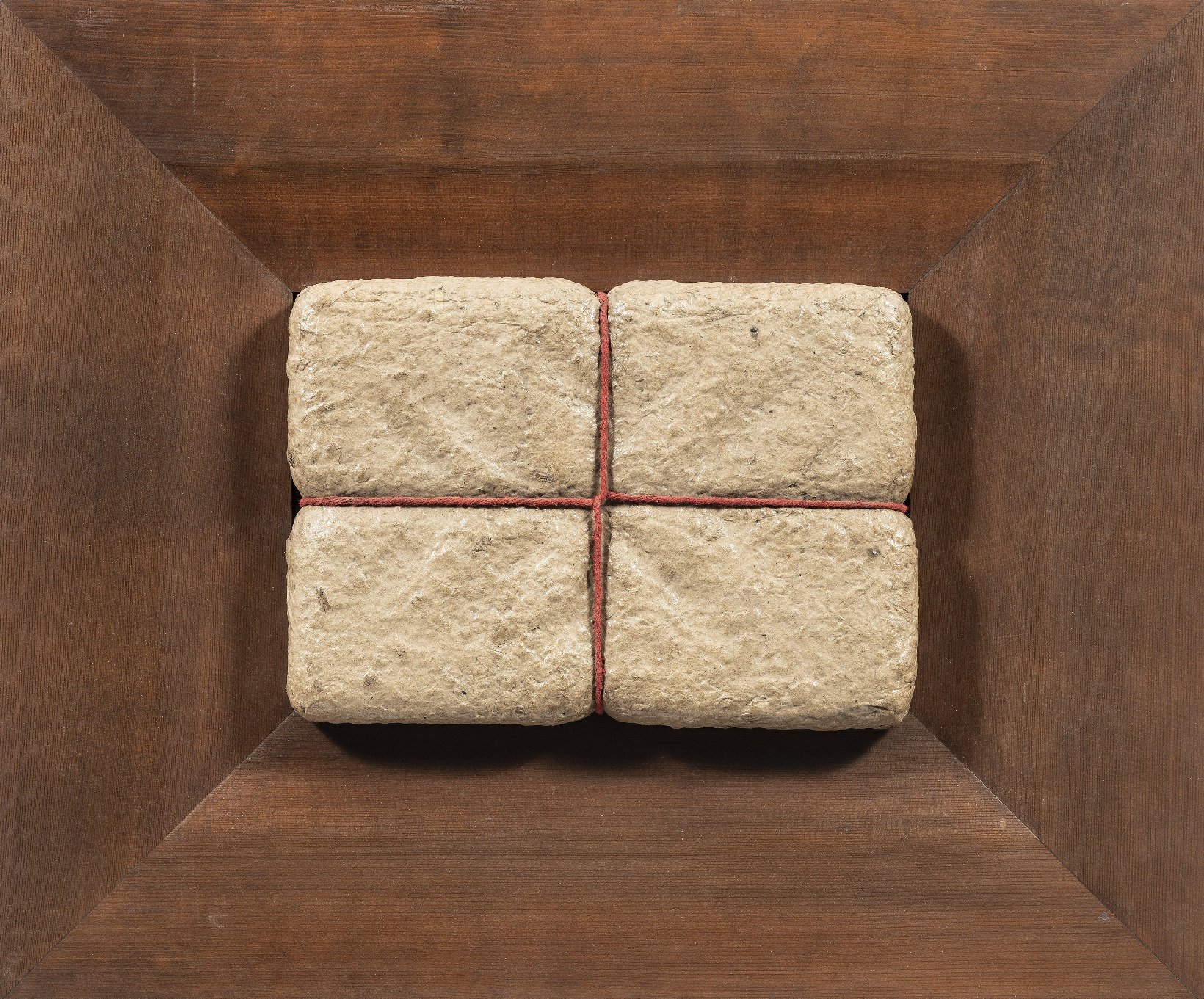
“Leaving the marks of binding physical forces has been a useful strategy for me as someone who likes to use tricks for reversals. Ironically, the act of binding seems to have drawn me deeper into the artistic process as it creates optical illusions with my material’s physical qualities and creates the fantasy of movement.”
– Seung-taek Lee, interview with Hans Ulrich Obrist, August 2020
Gallery Hyundai presents (Un)Bound, an exhibition of the work of Seung-taek Lee, from May 25 to July 3. Gallery Hyundai’s fourth solo exhibition devoted to Lee, it follows on the heels of Lee Seung Taek’s Non-Art: The Inversive Act, a large-scale retrospective in 2020 in which the National Museum of Modern and Contemporary Art, Korea (MMCA) looked back on the artist’s vast body of work. In its conception, the focus of (Un)Bound was on Lee’s series of “binding” works, in which twine and rope appear as a key media physically visualizing his concepts; various other works in which twine itself does not feature, but the marks of binding can be seen; and his “unbound” canvas-based work, in which the binding concept is expressed more freely. The exhibition offers a glimpse at Seung-taek Lee’s ambitious vision as someone who sought to open up new horizons in Korean contemporary art during the 1960s and 1970s through his approach of “inversively” seeing the world, thinking, and living through art.
During the late 1950s, Seung-taek Lee began sharing work of an avant-garde nature, departing from the modern Western concept of sculpture to present work originating in a “non-sculpture” concept. Instead of the traditional sculptural materials, he experimented with the boundaries of sculpture by using everyday materials and objects such as earthenware, “Godret stones,” twines, plastic, boards, paper, and books. His world of non-sculpture can be divided into two main categories. The first of them is the artist's "non-material" series, consisting of installations and performances in which natural phenomena without physical volume, such as wind, smoke, or fire, are "sculpted" into moments that viewers can experience visually. The other major strand has been his “binding” series, which forgoes methods of sculpting or shaping to present everyday objects that are literally bound or that bear the marks of binding. The binding series in particular is something that set Lee apart from other artists of his era, representing a key aesthetic methodology for his pursuit of “non-sculpture,” or the inversion of objects’ form and nature and the subversion of everyday familiarity.
The exhibition (Un)Bound focuses on various series by Lee from the 1950s until the present in which the act of “binding” is emphasized as a strategic aesthetic language for the artist’s rejection of traditional sculptural concepts and exploration of the avant-garde. The observations of Korean critics who saw some of the few exhibitions that featured Lee’s work during the 1960s and 1970s were actively revisited by Korean and overseas researchers in the wake of the artist’s presentation with the Nam June Paik Art Center Prize in 2009. In the assessment of critic Oh Kwang-su, Lee’s work stood out from the overall level of innovation in sculpture, while his binding-based work was something distinct from the conceptual and minimalist artwork that appeared in the 1960s.
Another art historian, Joan Kee, offered a multifaceted discussion of the significance of Lee’s body of work in art history in her “Use on Vacation: The Non-Sculptures of Lee Seung-taek,” published in 2013 in the Archives of Asian Art. She concluded that Seung-taek Lee’s work from the 1960s could be seen as representing the origin of Korean installation art in light of the artist’s choice to position his uniquely scaled artwork on the floor, walls, or ceiling in a decade when there was no concept of “installation art” and most sculptures were displayed on pedestals.
The works presented in Gallery Hyundai’s basement-level gallery include the Godret Stone pieces (1957/1960s) that represented the starting point for Lee’s “non-sculpture,” as well as his large-scale Oji (traditional earthenware) pieces that apply the binding approach. The key point in the space lies in the distances between our eyes and brain as we encounter artwork that appears pliable, irrespective of the properties of the actual material. As an art student, Lee happened across a Godret stone, a traditional weaving item, at a museum in Seoul’s Deoksugung Palace. Inspired by the sight, he carved out the center of a pebble and tied it with twine to a board, which he hung up in his home. Lee believed that he could turn these hard stones into his own work through his conceptual approach to their appearance of softness. He began whittling down riverside stones of various colors and shapes whenever he had the opportunity. Experimenting with different forms, such as tying one of them to a single short block of wood or binding two of them in sequence, he developed what would become known as his “soft stone” series. This exhibition offers a glimpse at multiple variations on his Godret Stone work.
The Oji series emerged from the young 30-year-old artist Seung-taek Lee’s dogged research into ways of installing his artwork in such a way that it could hang from the ceiling or dangle toward the ground. With its modular design, his work resembles a growing organism that bears the pinched marks of binding due to the pressure applied by outside forces. Lee experimented with avant-garde transformations in which crocks—familiar items in traditional life—became contemporary art. Working in collaboration with an earthenware factory, Lee included marks of pressing and binding, while varying the shapes so that no two would be identical, each unit transforming in a different way as it was installed in a different setting.
On the first floor, the gallery presents prominent work from series in which Lee used rope—a key material in his binding series—as a way of “visualizing contradiction”: his Paper Print, Tied Porcelain, Tied Canvas, and Rope Painting. Using paper positioned on a glass pane, the Paper Print series adopts a similar process to printmaking, but the results are unique works in which inclusion of rope means that there is only one “original” present. The series in question was created between the mid-1970s and early 1980s for presentation at the International Print Biennale, which was a popular event with the public; this exhibition presents six of the 10 or so surviving works. In contrast, the Rope Painting series was something that the artist began creating as an experiment in the 1960s, first presenting it before the world through the Contemporary Sculpture Invitational Exhibition event organized in 1972 by the Goethe-Institut Korea. Fascinated by the pliable, organic materiality of the three-dimensional lines in the rope that he used as a binding tool, Lee experimented with geometric patterns that resulted in three-dimensional abstraction. The work could be seen as his unique response to Op Art, which had just begun to find its way to Korea around the mid-1960s.
The second floor gallery offers a look at the endless variations of Lee’s binding series, which incorporate old books, stones, and ceramics. In a setting designed to resemble an artist’s studio where many artworks have been assembled, viewers can see the fascinating ways in which Lee’s work constantly transforms even as it is connected together by form and context. Bound works with clearly visible rope marks and Tied Canvas works in which the artist has simply bound a canvas itself give way to other approaches in which canvases are tied with other materials such as human hair. Replete with Seung-taek Lee’s freewheeling attitude and humor, these works show how quick the artist was to observe his era, and how he never failed to respond to his times through his art. During the 1970s, human hair was considered highly valuable as a major export item for South Korea. But the wig exporting industry subsequently entered a decline and became a source of problems. One day during the early 1980s, the artist heard a vendor who was calling for people to “buy some hair!” rather than urging them to sell it. He bought a bundle of hair, and he went on to use that black Korean hair to create unusual painting series such as Dance, Hair Calligraphy, and Hairy Canvas. Resembling paintings made with black ink on achromatic canvases, the works vividly show Lee’s avant-garde spirit and rejection of constraints. As viewers encounter images that are strange and mysterious rather than familiar, they will experience a sense of shock and wonder that turns on their head the ideas they hold about objects and art.
“묶은 물리적인 힘의 자국을 남기는 일은 반전의 트릭을 즐겨 쓰는 내게 유용한 전략이었죠. 아이러니하게도 ‘묶기’라는 행위는 재료의 물성에 대한 착시를 일으키며 생명력에 대한 환영을 불러오는 효과로 연결되어 점점 더 이 작업 과정에 몰두하게 된 것 같습니다.”
– 이승택, 한스 울리히 오브리스트와의 인터뷰, 2020년 8월
갤러리현대는 이승택의 개인전 《(Un)Bound[(언)바운드]》를 5월 25일부터 7월 3일까지 개최한다. 2020년 작가의 방대한 작품 세계를 재조명한 국립현대미술관에서의 대규모 회고전 《이승택-거꾸로, 비미술》을 마치고, 갤러리현대가 준비한 작가의 네 번째 개인전이다. 이번 전시 《(Un)Bound》는 작가의 개념을 물질적으로 시각화하는 역할을 담당하는 노끈이 주요 매체로 등장하는 “묶기(bind)” 연작, 노끈이 직접적으로 등장하지 않지만 매어진 흔적을 간직한 다채로운 작품, 묶기의 개념이 한없이 자유로워진(unbound) 캔버스 작품에 집중해서 기획되었다. 이번 전시를 통해 1960-70년대 시대 상황 속에서 미술로 세상을 거꾸로 보고, 거꾸로 사고하고, 거꾸로 살아내며 한국 현대미술의 새 지평을 열고자 했던 이승택 작가의 야심 찬 비전을 엿볼 수 있다.
이승택은 1950년대 후반부터 서구의 근대적 조각 개념에서 벗어나 ‘비조각’이라는 개념에서 출발한 전위적인 작품을 발표했다. 그는 전통적인 조각의 재료 대신 옹기, 고드랫돌, 노끈, 비닐, 각목, 한지, 책 등 일상의 재료나 물건을 활용하여 조각의 경계를 실험해왔다. ‘비조각’의 세계는 크게 두 범주로 구분된다. 하나는 바람, 연기, 불과 같은 물질적인 양감이 없는 자연 현상을 우리가 시각적으로 체험할 수 있도록 순간적으로 ‘조각’한 설치 및 퍼포먼스 형식의 ‘비물질’ 시리즈다. 다른 하나는 소조하거나 조각하는 방식을 벗어나 일상의 사물을 묶거나 혹은 매어진 흔적을 간직한 오브제 형식으로 마무리되는 ‘묶기’ 시리즈이다. 특히 ‘묶기’ 시리즈는 사물의 형태와 본성을 뒤집고 낯익은 일상을 전복시키는 ‘비조각’을 향한 작가의 주요한 미적 방법론이었으며, 이는 당대 다른 작가들과 차별되는 지점이다. 1960-70년대 이승택의 작품이 출품되었던 몇 안 되던 전시를 직접 관람했던 국내 평론가들의 언급은 2009년 백남준아트센터 미술상 수상을 계기로 국내외 연구자들을 통해 활발하게 복기된다. 평론가 오광수는 이승택의 작업은 조각의 전체적인 변혁의 수준에서 벗어나 돋보이며, ‘묶음’ 작업은 1960년대에 등장한 개념미술이나 미니멀리즘 작품과도 구별된다고 평가했다. 또한 미술사학자 조앤 기(Joan Kee)는 2013년 아시아 아트 아카이브(Archives of Asian Art) 저널에 발표한 “Use on Vacation: The Non-Sculptures of Lee Seung-taek”에서 이승택 작업 세계의 미술사적 의의를 다각도에서 논의한 바 있다. ‘설치미술’이라는 개념조차 없고 대부분의 조각 작품이 좌대에 놓이는 방식으로 전시되던 1960년대에 이승택은 남다른 스케일의 작품을 바닥에 놓거나 벽과 천장에 매다는 형식을 택한 점에서 한국 설치미술의 기원으로 볼 수 있다고 지적한다.
《(Un)Bound》전은 전통 조각의 개념을 거부하며 전위성을 모색해 나간 작가의 전략적인 조형 언어로, 1950년대부터 현재까지 지속되는 ‘묶는’ 행위가 강조된 연작에 초점을 맞춘다. 갤러리현대의 지하 전시장은 ‘비조각’의 출발점이 되는 작품 <고드랫돌>(1957/1960년대)과 ‘묶기’ 어법이 적용된 대형 스케일의 작업 <오지> 등이 전시된다. 이 공간의 관전 포인트는 재료의 본래 성질과 상관없이 물렁물렁해 보이는 작업들을 마주하는 우리의 눈과 뇌 사이의 거리다. 미대 재학 시절, 작가는 덕수궁 미술관에서 우연히 보게 된 고드랫돌에서 영감을 얻어 돌멩이 가운데를 움푹하게 쪼아서 각목에 노끈으로 묶어 매달아 집 한쪽에 걸어 두게 되었다. 딱딱한 돌멩이들이 물렁물렁해 보이는 인상을 개념적으로 접근해 자신의 작품으로 발전시킬 수도 있겠다 싶어 짬이 날 때마다 여러 색깔과 모양의 강 돌을 깎아 뒀다고 한다. 이를 짧은 한 개짜리 각목에도 메어 보고, 두 개를 이어서 매어 보는 등 다양한 형태로 실험하며 ‘물렁물렁한 돌’ 시리즈로 발전시켜 나가게 된다. 전시에는 <고드랫돌>의 다양한 변주들을 한 자리에서 소개한다.
<오지>는 서른 살의 청년 미술가 이승택이 작품을 천장에 매달거나 늘어뜨리는 방식으로 설치하기 위해 집요하게 연구하는 과정에서 탄생한 작품이다. 모듈 형식의 작업은 마치 성장하는 유기체가 외부의 압력에 의해 잘록잘록하게 묶인 흔적을 간직하고 있다. 작가는 전통적인 생활 기물로 익숙한 장독의 현대미술로의 전위적인 변용을 실험한다. 옹기 공방과 협업하는 과정에서 눌리거나 묶인 흔적을 남기고, 각 덩어리들이 동일하지 않도록 변주했으며, 설치되는 장소마다 각각의 단위가 다양한 방식으로 변형할 수 있도록 완성되었다.
1층 전시장은 묶음 연작의 핵심 재료로써 ‘역설의 시각화’를 담당하는 노끈을 활용한 <종이 판화>,
<매어진 백자>, <매어진 캔버스>, <노끈 캔버스(Rope painting)> 시리즈의 대표작들로 구성된다. <종이 판화> 시리즈는 종이를 유리판에 올려놓고 판화를 제작하는 것과 유사한 과정을 거치지만, 노끈이 삽입됨으로써 유일하게 원본만 존재하는 독특한 작품이다. 이 시리즈는 1970년대 중반부터 대중적으로 인기였던 국제판화비엔날레에 출품하기 위해 1980년대 초까지 제작되었으며, 현재 남아있는 약 10여 점 중 6점이 전시에 소개된다. 한편 <노끈 캔버스> 시리즈는 1960년대부터 실험 삼아 제작되다가 1972년 독일문화원이 주최한 《현대조각초대전》을 통해 세상에 처음 공개되었다. 이승택은 묶기의 도구로 사용되던 ‘노끈’의 입체적인 선이 가진 유연하고 유기체적인 물질성에 매료되어 기하학적 패턴을 시도하면서 입체 추상을 만들어냈다. 1960년대 중반경, 한국에 소개되기 시작한 옵아트에 대한 이승택만의 반응이라 할 수 있다.
2층 전시장에서는 고서와 돌, 도자기를 오가는 ‘묶음’ 시리즈의 끝없는 변주를 확인한다. 관람객은 수많은 작품이 집적된 작가의 작업실을 닮은 모습으로 연출된 공간에서 형식과 맥락이 서로 이어지되 끊임없이 변화하는 작품의 흥미로운 양상을 조망할 수 있다. 노끈에 매인 흔적을 선명하게 드러내는 ‘묶기’ 작업과 단순히 캔버스를 둘러 매는 <매어진 캔버스>는 이내 노끈이 아닌 머리카락 등 다른 재료에 매인 캔버스 작업으로 이어진다. 이승택 특유의 거침없음과 유머가 묻어나는 작품들로, 시대를 늘 예민하게 관찰하고 미술로서 반응하기를 게을리하지 않았던 작가의 면모를 확인할 수 있다. 1970년대 머리카락은 한국의 주요 수출품으로 한때 귀하게 여겨졌었다. 가발 수출 산업이 쇠락하면서 애물단지가 되어 버린 1980년대 초 어느 날, 작가는 “머리카락 파세요!”에서 “머리카락 사세요!”를 외치는 행상으로부터 한 보따리 머리카락을 구매한다. 이렇게 작가의 수중에 들어 온 한국인의 검은 머리카락을 사용하여 <춤>, <모(毛) 서예>, <털 난 캔버스>로 이어지는 낯선 회화 연작을 완성한다. 소색 캔버스에 검은 잉크를 사용한 회화처럼 보이는 작업으로 무엇에도 매이지 않은 작가의 아방가르드 정신이 생생하게 담겨 있다. 기존에 알던 사물의 이미지가 아닌 낯설고 신비한 이미지들을 접한 관람객은 충격과 경이로움을 느끼며 사물과 예술에 대한 자신의 통념이 타파되는 경험을 하게 될 것이다.
Installation Views
{{ lbCurrent.title }}
{{ lbCurrent.text }}