
Timeless
Feb 19 – Mar 28, 2021
Gallery Hyundai
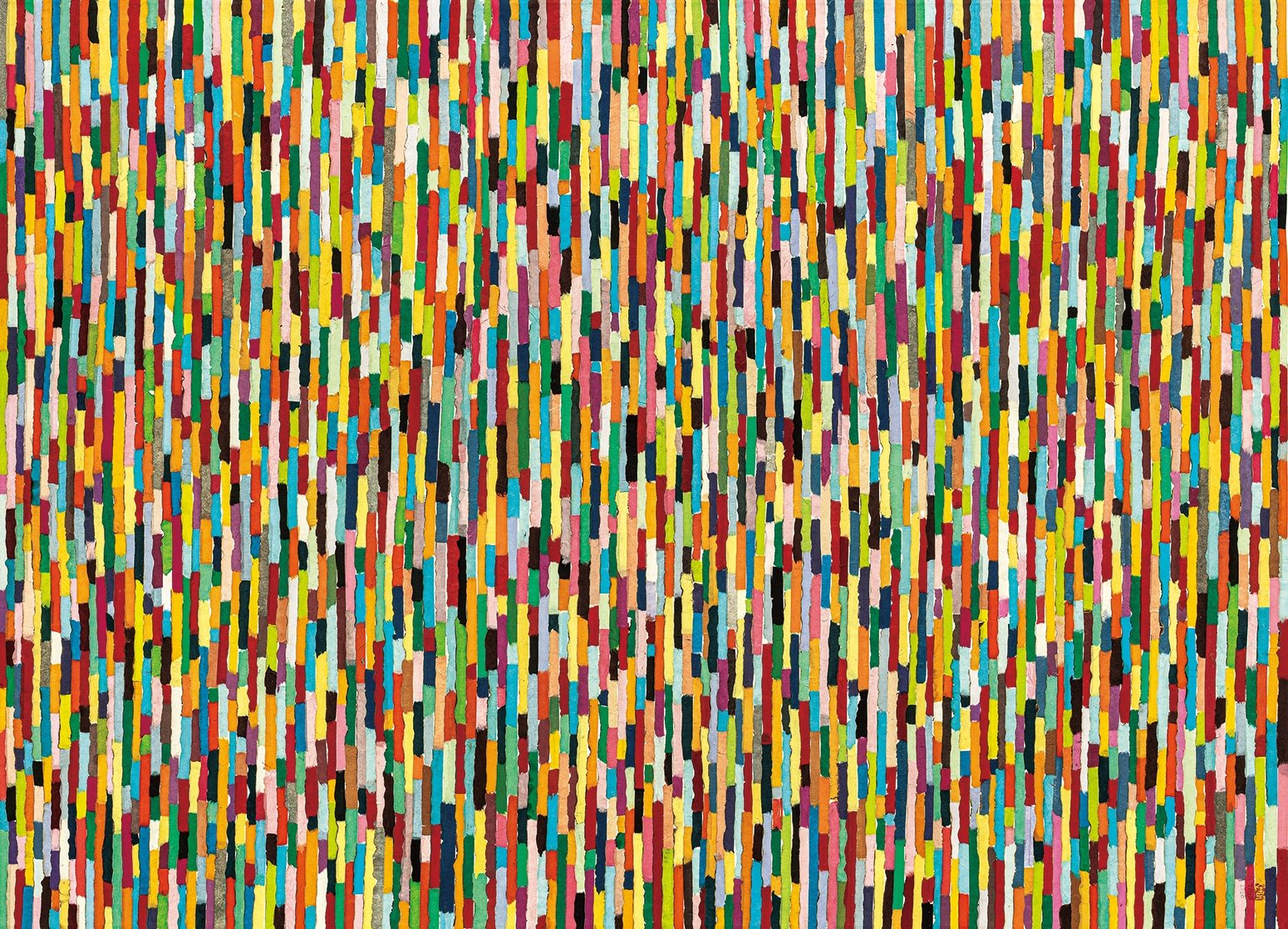
Gallery Hyundai is pleased to present Minjung Kim's solo exhibition Timeless. For the last three decades, Minjung Kim has been presenting works that ingeniously combine East Asian traditions of ink-on-paper painting with the compositional language of Western abstract art. Following Paper, Ink and Fire: After the Process in 2017 by four years, this second solo exhibition includes Kim’s most iconic series Mountain, The Street, Sculpture, Story, and Timeless, as well as the new The Water, Couple, and thirty-or-so other recent works. The title Timeless not only signifies endless, eternal, and unchanging, but is also eponymous to the series of works being introduced to Korea for the first time. In a larger sense, it summarizes the complexities of Kim’s creative process: the persistent beauty of Korean hanji paper that endures thousands of years, the artist’s ritualistic act of evening her breath before burning Korean paper, then the repetitive, labor-intensive process of meticulously placing those pieces of paper by hand. Furthermore, it reflects her intention to visualize in the language of contemporary art revelations of East Asian philosophy such as reincarnation, Yin and Yang, emptiness and fullness.
Minjung Kim’s artworks always embark from Korean hanji paper. Korean paper does not remain merely at the background of what is being depicted - for the artist, it functions as both shades of color and the subject of painting in itself, a stage for mediation and training. It is also a location where religion and history are inscribed, a means to transcend human mortality towards eternity. Having played with paper like she would toys at her father's small printing studio, Kim studied calligraphy and watercolor from a young age dreaming of becoming an artist, and would go on to major in East Asian painting at Hongik University and its graduate school. But whereas many young Korean artists at the time studied abroad in New York or Paris, Kim left for Italy in 1991 out of admiration and curiosity towards Renaissance art. She enrolled in Milan’s Accademia di Belle Arti di Brera where the compositional grammar of Western Art as we know it was born. It was there that Kim returned to Korean paper that she could work with best like her own skin, a material that represented her cultural identity as East Asian as well as the foundation for her creative spirit. She perceived Korean paper as a work of art on its own, creating pieces from it yet highlighting its original material qualities. In the 1990’s, Kim presented ink abstract paintings maximizing the staining and blooming effects of ink and watercolor, and later in the same decade prepared to boldly discard conventions of East Asian painting by starting to burn parts of her works with fire.
At the start of the new millennia, the artist solidifies collage work that experiment with Korean paper as material support. In the process of investigating lines as the basis of East Asian painting, she would start to burn Korean paper, seduced by lines of a different sense: those created from the “collaboration” of paper and fire. The destructive act of burning and obliterating the most delicate human invention, paper, with candle or incense light led to revelations on the power of nature and the sense of self-restraint. Transfiguring these into creative energy, the artist created her own iteration of ink lines, namely burnt marks that leave a deep, sticky taste. Kim explains that the split moment of burning Korean paper contains many thousands of years that it takes for paper to disintegrate and disappear. In that Korean paper is made from mulberry or paper mulberry tree barks as much as ink sticks are made from soot fixed with glue, all the materials at the artist’s disposal embark from nature and return to it. In their material and subject, content and form, the concepts of repetition and circulation motivates Minjung Kim’s oeuvre.
Kim completes her work through meticulous handiwork and concentration on Korean paper, like a master craftsperson. She uses straw cutters or fire to create ovals or strips of colorful Korean hanji paper pieces, which are then placed upon a background of Korean paper - countless variations of shade, form, and texture create a sense of suspension in space and unresolved aesthetic tension. Three-dimensional effects at the fine seams between thin paper pieces evoke the diligent movements of the artist’s hands and their inherent tactility. The creative process is in itself a ritual journey from chaos to order, static to movement, impulse to restraint. In an interview with curator Hans Ulrich Obrist, the artist compares it to “a road towards a spiritual state.” “Basically, not only being an artist I always want my status as anima to be very free and to be in line with the natural order. For me, repetition means losing yourself and going deep inside yourself. I feel that it is the way of practicing Zen or meditation. Once you start to repeat for hours and hours you completely lose your circumstance which I like because I feel so cleansed. This feeling is addictive.” Each work, born as a result of meditative labor, does not reveal their particular subject matter - yet, it opens up various points of connection depending on the experience and memory of viewers, from misty mountain tops or flowers blooming on hills to umbrellas on rainy streets.
On the first floor at Gallery Hyundai, we are offered a glimpse at the artist’s methodology of connecting the sense of an infinite expanse of time in Korean hanji paper to forms and impressions of nature that inspire her. It includes the Pieno di Vuoto series where Korean paper collage resembles flowers at full bloom, the Timeless and The Water series that visualize sounds of water or waves, and Nautilus with overwhelmingly dense layers of Korean paper of a single color filling up the canvas from center to each corner. On the second floor is Timeless along with other representative works The Street, Mountain, and Story. The three series exemplify Minjung Kim's transition of particular sceneries or subjects into abstract patterns. Lastly on the basement floor, you can find The Room, Corner, Sculpture, Couple, and Order and Impulse, where opposing concepts and energies - coincidence and premeditation, impulse and order, what has been cut out and what remains - coexist in a single picture plane.
갤러리현대는 김민정의 개인전 《Timeless(타임리스)》를 개최한다. 김민정은 지난 30년 동안 동아시아 회화 예술의 유산인 지필묵(紙筆墨)의 전통을 서구 추상미술의 조형 어법과 결합한 독창적인 작품을 발표해 왔다. 유럽과 미국을 중심으로 활동해 온 작가는 2018년 영국 런던의 화이트 큐브, 2019년 독일 노이스의 랑겐 파운데이션, 2020년 미국 뉴욕의 힐 아트 파운데이션에서 연이어 개인전을 개최했으며, 세계적 출판사 파이돈에서 최근 발간한 동시대 미술서 『비타민 D3: 오늘의 동시대 드로잉 베스트(Vitamin D3: Today's Best in Contemporary Drawing)』의 대표 작가로 선정되는 등 국제적 명성을 쌓는 중이다. 2017년 《종이, 먹, 그을음: 그 후》전 이후 갤러리현대에서 4년 만에 열리는 두 번째 개인전 《Timeless(타임리스)》는 김민정의 대표 연작 <Mountain>, <The Street>, <Sculpture>, <Story>, <Timeless>를 비롯해, 새로운 연작 <The Water>와 <Couple> 등 총 30여 점의 최근작을 공개한다. ‘끝이 없는’, ‘영원한’, ‘변하지 않는’ 등의 의미를 지닌 전시 제목 《Timeless(타임리스)》는 한국에 처음 선보이는 연작과 동명의 타이틀이자, 수천 년의 세월을 견디는 한지의 강인함과 아름다움, 마치 수행을 하듯 호흡을 가다듬어 한지를 불로 태우는 행위, 그 조각을 섬세하게 배열하는 반복적이고 노동 집약적인 수작업 등 김민정의 작품 세계를 복합적으로 아우른다. 나아가 윤회, 음(陰)과 양(陽), 비움과 채움 등의 동양 철학적 사유와 깨달음을 동시대 미술의 언어로 시각화하려는 작가의 의지를 잘 드러내는 단어이다.
김민정 화업의 출발점에는 늘 한지(종이)가 자리한다. 한지는 대상이 그려지는 바탕에만 머물지 않는다. 김민정에게 한지는 색색의 물감이자 회화의 대상 그 자체이며, 명상과 수행을 위한 무대가 된다. 또한 한지는 종교와 역사를 기록하는 장소이자, 인간의 유한성을 극복하며 영원에 이르는 수단이다. 아버지가 운영하는 작은 인쇄소에서 종이를 장난감처럼 갖고 놀던 어린 시절부터 김민정은 서예와 수채화를 공부하며 작가의 꿈을 키웠고, 홍익대학교와 동대학원에서 동양화를 전공했다. 당시 한국의 많은 젊은 작가가 미국 뉴욕이나 프랑스 파리로 유학을 떠난 것과 달리, 김민정은 르네상스 미술을 향한 동경과 호기심을 안고 1991년 이탈리아로 떠났고, 밀라노 브레라국립미술원에 입학해 학업을 이어갔다. 서양 미술의 혁신적 조형 문법이 탄생한 그곳에서 그는 자신이 가장 잘 다룰 수 있는 피부와 같은 재료인 한지로 되돌아갔다. 한지는 동양인 김민정의 문화적 정체성과 그의 예술적 정신의 본류였다. 그는 한지를 하나의 독립적인 예술품으로 인식하고, 이를 이용한 작업을 제작하면서도 그 고유의 성질을 돋보이도록 했다. 김민정은 1990년대 먹과 수채 물감의 얼룩과 번짐 효과를 극대화한 일련의 수묵/채색 추상 작품을 발표했고, 1990년대 후반 작품의 일부를 불로 태우며 동아시아 회화 예술의 관례를 폐기하는 과감한 변신을 준비했다.
2000년대 들어 작가는 그림의 지지체인 한지를 매체로 실험하는 콜라주 작업을 본격화한다. 동양화의 기초가 되는 선(線)을 탐구하는 과정에서 한지를 태우기 시작한 작가는 종이와 불이 ‘협업’해 만든 자연의 또 다른 선에 매료되었다. 인간의 발명품 중 가장 연약한 종이를 촛불이나 향불로 태워 없애는 파괴적 행위를 행하며 자연의 힘과 절제의 감각을 깨달았다. 작가는 이를 창조적 에너지로 전환하며 자신만의 끈끈하고 진진한 맛이 나는 태움의 먹 선을 창조했다. 김민정은 한지를 태우는 순간의 행위는 종이가 썩어서 사라지는 몇천 년의 시간을 함축한다고 설명한다. 한지가 닥나무나 뽕나무 껍질로 만드는 것처럼 먹 또한 나무를 태운 그을음을 아교로 고정해 만든다는 점에서, 그가 구사하는 모든 재료는 자연에서 출발해 자연으로 돌아가는 셈이다. 재료와 주제, 내용과 형식에 있어 반복과 순환의 개념은 김민정 작품 세계의 원동력이라 할 수 있다.
김민정은 태운 한지를 재료로 장인처럼 세심한 수공과 집중의 과정을 거쳐 작품을 완성한다. 작가는 작두로 절단하거나 불로 태워 만든 원형과 띠 형상의 색색의 한지 조각을 한지에 배치하고 색조, 형태, 질감 등을 무수히 변주하며 화면에 부유하는 공간감과 팽팽한 미적 긴장감을 만들어간다. 얇은 한지가 촘촘하게 맞물려 형성된 입체감은 잡념 없이 부지런히 움직이는 작가의 손과 그 촉각적 감각을 환기시킨다. 혼돈에서 질서로, 정지에서 움직임으로, 충동에서 절제를 향해가는 수행적인 여정이, 곧 제작 과정이다. 작가는 큐레이터 한스 울리히 오브리스트와의 인터뷰에서 이를 ‘영적인 상태에 이르는 길’과 비유한다. “저 자신이 매우 자유로우면서 자연의 섭리를 따르는 영적인 상태에 있기를 바라요. 제게 반복이란 자신을 잃는 것이고, 자신의 내면으로 깊게 들어가는 행위입니다. 이것이 참선이나 명상을 실천하는 방법이죠. 몇시간이고 반복하면 자신을 둘러싼 현실마저 사라져요. 이 과정을 통해 더욱 맑아지는 듯한 느낌을 받게 되는데, 이런 느낌은 중독성이 있어요.” 명상과 같은 노동의 결과로 탄생한 개별 작품은 구체적 대상을 보여 주지 않지만, 보는 이의 경험과 기억에 따라 안개 낀 산봉우리, 들에 화려하게 핀 꽃, 비 오는 길거리의 우산 등을 상상하게 하는 다채로운 매력을 지닌다.
갤러리현대의 1층 전시장에는 ‘한지’라는 재료가 지닌 무한의 시간성을 영감의 원천이 되는 자연의 형태나 심상과 연결하는 작가의 방법론을 엿볼 수 있다. 한지 콜라주가 활짝 핀 꽃의 형상처럼 보이는 <Pieno di Vuoto> 연작은 제목 그대로 ‘비움과 채움’의 병치가 강조된 작품이다. 작가는 가운데가 뚫린 원형의 한지 조각을 더 큰 원형 조각으로 채우면서 ‘비움의 채움’이라는 순환적 개념을 녹여 냈다. <Timeless>와 <The Water> 연작은 물 혹은 물결의 소리를 작품화했다. 바다의 잔잔한 물결과 그 흐름의 영원성을 시각화한 <Timeless>는 먹의 농담으로 만든 그러데이션이 특징인 <Mountain>이나 단색의 한지를 수직 혹은 수평으로 길게 자르고 그 가장자리를 태우고 겹쳐 완성한다. 어떤 불가항력에 의해 묶인 듯한 무채색의 그러데이션 곡선이 폭발적 에너지를 발산하는 <The Water> 연작은 한곳에 머물지 않고 끊임없이 흐르는 물의 생태와 무한한 특성을 은유한다. 중심에서 방사형으로 뻗어 나오며 화면을 빼곡하게 채운 단색의 한지 조각의 치밀한 층위가 압도적인 <Nautilus>는 ‘살아 있는 화석’인 앵무조개의 외양에서 영감을 받았으며, 아름다움의 이상인 황금 비례와 영원한 시간성을 암시한다. 2층 전시장에는 <Timeless>와 함께 작가의 대표작으로 꼽히는 <The Street>, <Mountain>, <Story> 연작을 선보인다. 세 연작은 영감을 준 구체적인 장면이나 대상이 추상적 패턴으로 전환되는 김민정 작품의 특징을 잘 보여준다. 다양한 ‘이야기’가 담긴 책이 가득 꽂힌 책장에서 영감을 받은 <Story> 연작은 강한 채도의 한지 조각들이 화면을 가득 채우며 색채의 리듬을 형성한다. <The Street> 연작은 우산으로 가득 찬 거리의 풍경을 내려다보고 있는 듯한 구성이 독특하다. 동그란 형상들이 층위를 달리하며 추상적이고 서정적인 풍경을 만든다. 가까이서 보면 한지의 찢기고 태워 거친 질감이 생생하다. 먹의 농담을 섬세하게 조절하며 완성하는 <Mountain> 연작은 전통 산수화를 동시대 추상회화의 맥락과 영역으로 확장하는 작품으로, 영국 대영박물관에도 소장되어 있다. 지하 전시장에서는 우연과 계획, 충동과 질서, 잘린 것과 남은 것 등의 대립 개념과 상충하는 에너지가 한 화면에 공존하는 작품을 주로 소개한다. 무한 증식하듯 화면에 반복적으로 쌓인 단순한 패턴의 한지 조각이 옵아트와 같은 시각적 환영을 만들며 미묘한 뉘앙스의 공간감을 형성하는 작업들이다. <The Room>은 명상의 어느 단계에 이르면 영혼이 육체를 이탈해 공간을 부유하는 경험을 할 수 있다는 이론에서 착안한 작품으로, 한지를 극도로 촘촘하게 쌓아 실제적 공간감을 벗어난 ‘방’을 탄생시켰다. <Corner>는 곡선이나 유기적 형태를 배제하고 두 색의 선이 모여 면과 면으로 맞닿아 생기는 사선의 존재감이 시선을 사로잡는다. <Sculpture>는 불의 힘과 우연성을 절제하고 통제하면서 종이를 조각하듯 정형하는 작가의 수공적 섬세함이 독보적인 작품이다. 반투명한 한지 조각이 쌓이는 과정에서 높이와 부피를 만들며 3차원적인 입체감을 선사한다. 색을 배제하고 먹의 농담으로 한지 조각을 구별하고 눈송이처럼 화면을 구성해 낭만적인 분위기가 감도는 <Grey Snow>는 수묵 실험을 한지 콜라주와 결합한 작업이다. 이번 전시를 통해 처음 공개되는 <Couple>은 잘라낸 한지 조각과 자르고 남은 조각으로 각각 제작된 두 점의 작품이 한 쌍을 이룬다. 나뉜 조각은 퍼즐처럼 맞아떨어지기에 맞추면 하나가 되지만 따로 두면 서로 다른 형상을 이룬다. 제목에서 드러나듯 두 작품은 서로 다른 것처럼 보이지만 함께 있어야 비로소 그 가치를 얻는다. 이밖에 마름모꼴로 잘린 한지 조각의 날카로움이 시각과 촉각을 동시에 자극하는 <Rest>, 동그랗게 자른 한지 조각을 화면에 붙이는 과정에서 질서와 충동의 행위를 오가는 <Order and Impulse>도 감상할 수 있다.
Installation Views
{{ lbCurrent.title }}
{{ lbCurrent.text }}