
남관의 추상회화 1955-1990
Nov 6 – Nov 30, 2019
Hyundai Hwarang
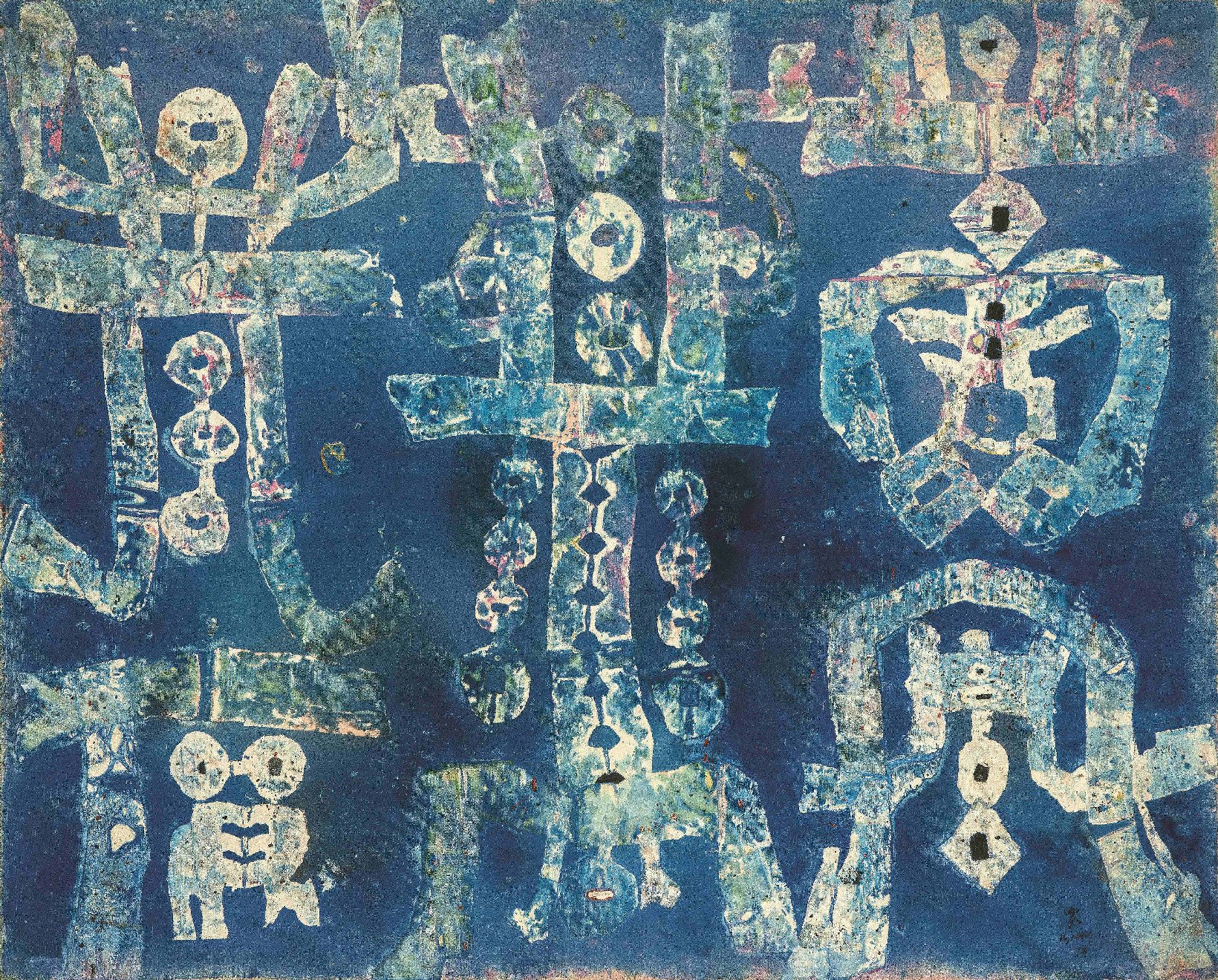
In Nam Kwan’s Abstract Painting 1955-1990 Gallery Hyundai presents the artist’s major works beginning from 1955, the year he went to Paris, through to the end of his life.
Nam Kwan (1911–1990) was a brilliant artist in abstract painter in Paris. He began working at the Académie de la Grande Chaumière where he started exploring abstract painting. Nam Kwan participated in the Internationale de l’ Art Plastique Contemporain organized by the Musée d’ Art Moderne de la Ville de Paris in 1956 and then in 1958 became the first Korean artist to be invited to exhibit with the influential avant-garde artist group, Salon de Mai, who led the art scene in Paris at the time. He won first prize at the 1966 Biennale de Peinture in Menton.
During his time in Paris in the fifties and sixties, Nam Kwan created works inspired by ancient relics. The paintings show bleak walls, dilapidated courtyards, and ruins of old castles and monuments. He delicately expressed corroded or worn out surfaces by using grey and purple tones. He also started using shapes that were reminiscent of ancient scripts and Chinese characters, and experimented with new composition techniques such as using paper cut-outs to guide where he should paint on the canvas. Living in Seoul in the seventies and eighties, the artist explored unique human characters and colors, creating his own abstract language. He painted iconic mask images with bright colors, often incorporating blues in stark contrast to the darker colors he used in Paris. He also utilized décollage, the opposite of collage, removing pieces attached to the canvas and applying paint where they were.
"My art is the accumulation of my lived experiences as well as my life itself,” said Nam Kwan. His exceptional passion led him to devote his whole life to art both in Paris and Seoul until he died in 1990. This exhibition celebrates his legacy and sheds new light on his distinctive artistic vision as a pioneer of Korean abstract art.
Nam Kwan was born in 1911 in Cheongsong, moved and grew up in Japan. Graduated from Taiheiyo Fine Arts School in Tokyo, Nam moved to Paris in 1955 and continued to build his artistic career there. His works are included in the collections of the City of Paris Museum of Modern Art in Paris, Grand Duke Jean Museum of Modern Art in Luxembourg, Pompidou Center in Paris, and Torino Civic Gallery of Modern and Contemporary Art in Turin among others.
현대화랑은 <남관의 추상회화 1955-1990>전을 개최한다. 전시에는 작가가 파리로 건너간 1955년부터 작고한 1990년까지 제작한 시대별 주요 작품을 엄선해 선보인다.
남관(1911-1990)은 국제 미술의 중심지 파리에서 추상화가로 큰 성공을 거둔 독보적 존재다. 1955년 몽파르나스에 화실을 마련한 그는 아카데미 드 라 그랑드 쇼미에르에서 수학하며 추상화 작업을 시작한다. 1956년 파리시립미술관에서 기획한 《현대국제조형예술전》에 참여하고, 1958년 한국인으로는 최초로 당대 파리 화단을 이끈 전위적 예술모임인 《살롱 드 메》에 초대받는다. 1966년에는 망통회화비엔날레에서 대상을 수상한다.
1950-60년대, ‘파리 시대’의 남관은 고대 유물에 영감을 받은 작품을 발표한다. 때 묻은 벽, 황폐한 뜰, 오래된 성이나 유적의 잔해처럼 보이는 아스라한 풍경이 캔버스에 모습을 드러낸다. 작가는 회색이나 자색 계열의 물감을 사용해 마모되거나 녹슬고 부식한 표면을 섬세하게 표현한다. 또한, 이 시기에 고대 상형문자와 한자를 떠올리는 형상을 도입하는데, 서체 모양으로 자른 종잇조각을 캔버스에 움직이며 화면을 구성하는 실험을 전개한다. 1970-80년대, ‘서울 시대’의 남관은 독특한 인간상과 색채를 탐구하며 자신만의 추상 언어를 완성한다. 남관 회화의 핵심적 조형 언어인 얼굴(마스크) 이미지가 등장하며, ‘파리 시대’ 작업의 어두운 화면은 청색을 중심으로 차츰 밝아진다. 이밖에 콜라주 방식을 역이용하여 화면에 붙인 재료를 떼어내 그 부분에 다시 색을 칠하는 데콜라주를 자유분방하게 구사한다.
“그림이란 삶의 축적이자 나의 인생”이라고 말한 남관. 그는 1990년 생을 마감할 때까지 파리와 서울을 오가며 남다른 열정으로 창작 활동에 정진했다. 이번 전시는 한국 추상미술의 선구자인 남관의 아름다운 작품 세계를 재조명하고, 그 뛰어난 예술성을 다시 한번 널리 알린다.
남관은 1911년 경북 청송에서 출생, 일본에 건너가 성장한다. 도쿄 다이헤이요 미술학교를 졸업했으며, 1955년 프랑스 파리로 떠나 활동을 시작한다. 그의 작품은 국립현대미술관, 서울시립미술관, 퐁피두센터, 파리시립현대미술관, 룩셈부르크현대미술관 등 국내외 주요 기관에 소장되었다.
Installation Views
{{ lbCurrent.title }}
{{ lbCurrent.text }}