
Lee Kang So
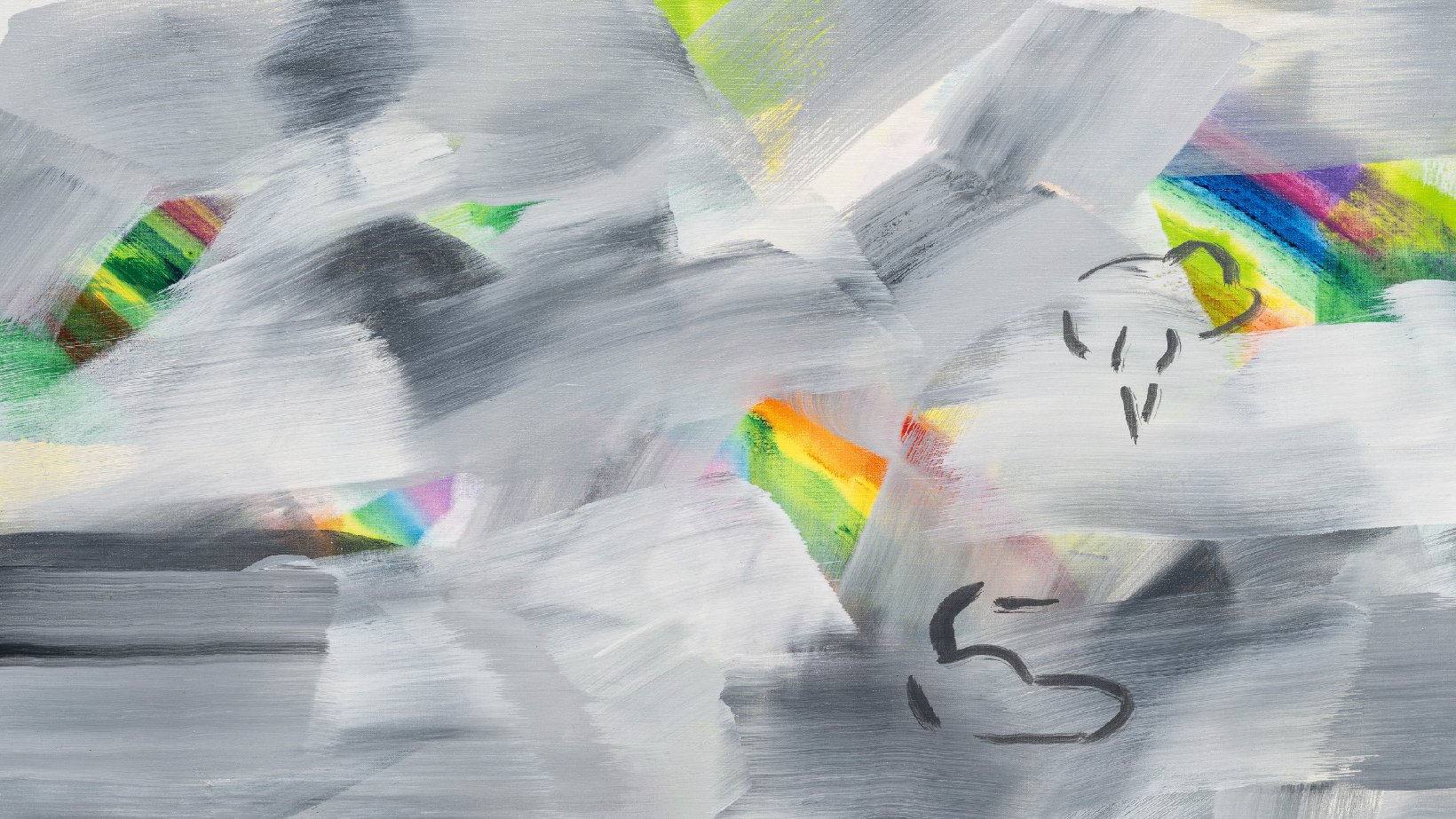
Lee Kang-So is a pioneering figure in Korean experimental and contemporary art whose multidisciplinary practice spans painting, sculpture, installation, performance, photography, and video. Since the 1970s, he has played a central role in the development of Korean experimental art through influential groups and movements such as Shincheje, the Korean Avant-Garde Association (AG), and the Daegu Contemporary Art Festival. Rather than representing images, Lee has been concerned with revealing relationships, change, and the invisible order underlying the world. Grounded in East Asian philosophical thought and an intuitive approach to art-making, he embraces chance, process, and emergence over predetermined intention, pursuing an open-ended artistic structure in which meaning unfolds through the interaction between artwork and viewer.
Lee gained international recognition in the 1970s through his experimental performances and installations, and from the 1980s onward developed a distinctive painterly language characterized by free, gestural brushwork and recurring motifs such as houses, boats, deer, and ducks. These motifs function not as representational images but as vehicles for movement, perception, and shifting viewpoints. In his sculpture, he similarly embraces unpredictability by allowing natural forces such as gravity, humidity, and temperature to participate in the formation of the work, often creating forms through the act of throwing clay rather than modeling it directly. Throughout his practice, Lee explores the relationships between humanity and nature, matter and spirit, the visible and the invisible. Combining the East Asian concept of qi (vital energy) with a contemporary understanding of reality, his work invites viewers to contemplate the constantly changing nature of existence and stands as a major achievement in the history of Korean contemporary art.
Lee Kang So was born in Daegu, South Korea in 1943 and graduated with a degree in painting from the College of Fine Arts at Seoul National University. He currently works in Anseong. In 1985, while serving as a professor at Gyeongsang National University, Lee moved to the United States, where he worked as a visiting professor and guest artist at the State University of New York in Albany. Later, from 1991 to 1992, he participated in the International Studio Artists Program at P.S.1 Contemporary Art Center (now MoMA PS1) in New York. He has held numerous solo exhibitions at galleries and institutions globally including Daegu Art Museum, Daegu (2025, 2011); Thaddaeus Ropac, Paris (2025); the National Museum of Modern and Contemporary Art, Korea (MMCA), Seoul (2024–2025); Palazzo Caboto, Venice (2019); Musée d'Art moderne et contemporain de Saint-Étienne Métropole, Saint-Étienne (2016); Ilwoo Space, Seoul (2015); Musée des Arts Asiatique, Nice (2006); Art Sonje Center, Gyeongju (2003); Bergen Museum of Art & Science, Bergen (1993); and Myeongdong Gallery, Seoul (1973). Lee was also featured as a key artist in Only the Young: Experimental Art in Korea, 1960–1970s, which toured MMCA, Seoul, the Guggenheim Museum, New York, and the Hammer Museum, Los Angeles between 2023 and 2024, showcasing his representative works from the 1970s and received widespread acclaim on the global stage. Lee’s works are held in the permanent collections of esteemed institutions worldwide, including Victoria & Albert Museum, London; The Rachofsky Collection, Dallas; Written Foundation, Frankfurt; The International Museum of 20th Century Arts & Cultural Centre, Laguna Beach; Mie Museum of Art, Miegen; MMCA, Seoul; Daegu Art Museum, Daegu; Busan Museum of Art, Busan; Seoul Museum of Art, Seoul; Hoam Museum of Art, Yongin; and Asia Culture Center, Gwangju.
이강소는 한국 실험미술과 동시대미술을 대표하는 작가로, 회화·조각·설치·퍼포먼스·사진·영상 등 다양한 매체를 넘나들며 예술의 본질과 인간의 지각 구조를 탐구해 왔다. 1970년대 신체제, AG(한국아방가르드협회), 대구현대미술제 등 한국 실험미술 운동의 중심에서 활동한 그는 이미지의 재현보다 관계와 변화, 그리고 보이지 않는 세계의 질서를 드러내는 데 관심을 두었다. 동아시아 전통철학과 직관적 사유를 바탕으로, 작가의 의도보다 우연과 생성의 과정을 중시하며 작품이 스스로 드러나는 열린 구조를 추구해 왔다. 1970년대 퍼포먼스와 설치 작업을 통해 국제적 주목을 받았으며, 1980년대 이후에는 집, 배, 사슴, 오리 등의 도상을 자유로운 붓질과 결합한 회화를 전개하며 독자적인 조형 언어를 구축하였다. 또한 흙을 던져 형상을 만드는 조각 작업 등 예측 불가능한 물질의 변화와 에너지를 작품에 적극 수용하며, 인간과 자연, 물질과 정신, 보이는 것과 보이지 않는 것의 관계를 탐구하고 있다. 그의 작업은 동양의 ‘기(氣)’ 개념과 현대적 사유를 결합하여 끊임없이 변화하는 세계의 본질을 성찰하게 하는 한국 현대미술의 중요한 성취로 평가받는다.
이강소는(b.1943) 대구에서 출생하였으며, 서울대학교 미술대학 회화과를 졸업하고, 현재 안성에서 작업 활동을 하고 있다. 이강소는 1985년 국립경상대학교 교수로 재직 중 미국으로 건너가 뉴욕주립대학교에서 객원 교수 겸 객원 예술가로 활동하였으며, 그 후 1991년부터 2년간 뉴욕 P.S.1 현대미술센터 (현 뉴욕현대미술관 PS1) 국제 교류 스튜디오 프로그램에 참여하였다. 대구미술관, 대구(2025, 2011); 타데우스로팍, 파리(2025); 국립현대미술관, 서울(2024-2025); 팔라조 카보토, 베니스(2019); 생테티엔근현대미술관, 생테티엔(2016); 일우스페이스, 서울(2015); 아시아미술관, 니스(2006); 아트선재미술관, 경주(2003); 예술과학박물관, 버어건(1993); 명동화랑, 서울(1973) 등 국내외 주요 기관에서 개인전을 가졌다. 2023년과 2024년에 걸쳐 서울 국립현대미술관, 뉴욕 구겐하임미술관, 로스앤젤레스의 해머미술관 순회전을 하며 국제적 담론을 일으켰던 《한국 실험미술 1960-70년대》 전에서 주요 작가로서 그의 1970년대 대표작들이 소개되며 세계적인 호평을 받았다. 그의 작품은 빅토리아앤알버트미술관, 런던; 라초프스키 컬렉션, 댈러스; 리튼파운데이션, 프랑크푸르트; 국제20세기예술문화센터, 캘리포니아; 미에현립미술관, 미에현; 국립현대미술관, 서울; 대구미술관, 대구; 부산시립미술관, 부산; 서울시립미술관, 서울; 호암미술관, 용인; 국립아시아문화전당, 광주 등 국내외 주요 미술관에 소장되어 있다.
Video
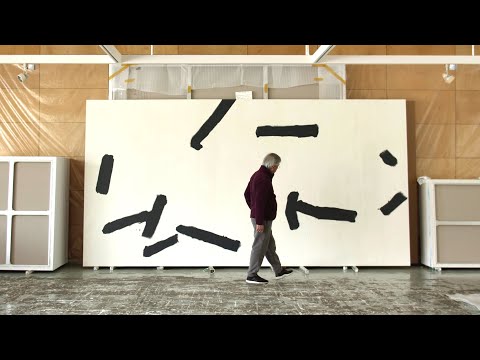
Lee Kang-So 이강소 :
From a Dream
Selected Works
Stories
{{ lbCurrent.title }}
{{ lbCurrent.text }}