
Kim Tschang-yeul Estate
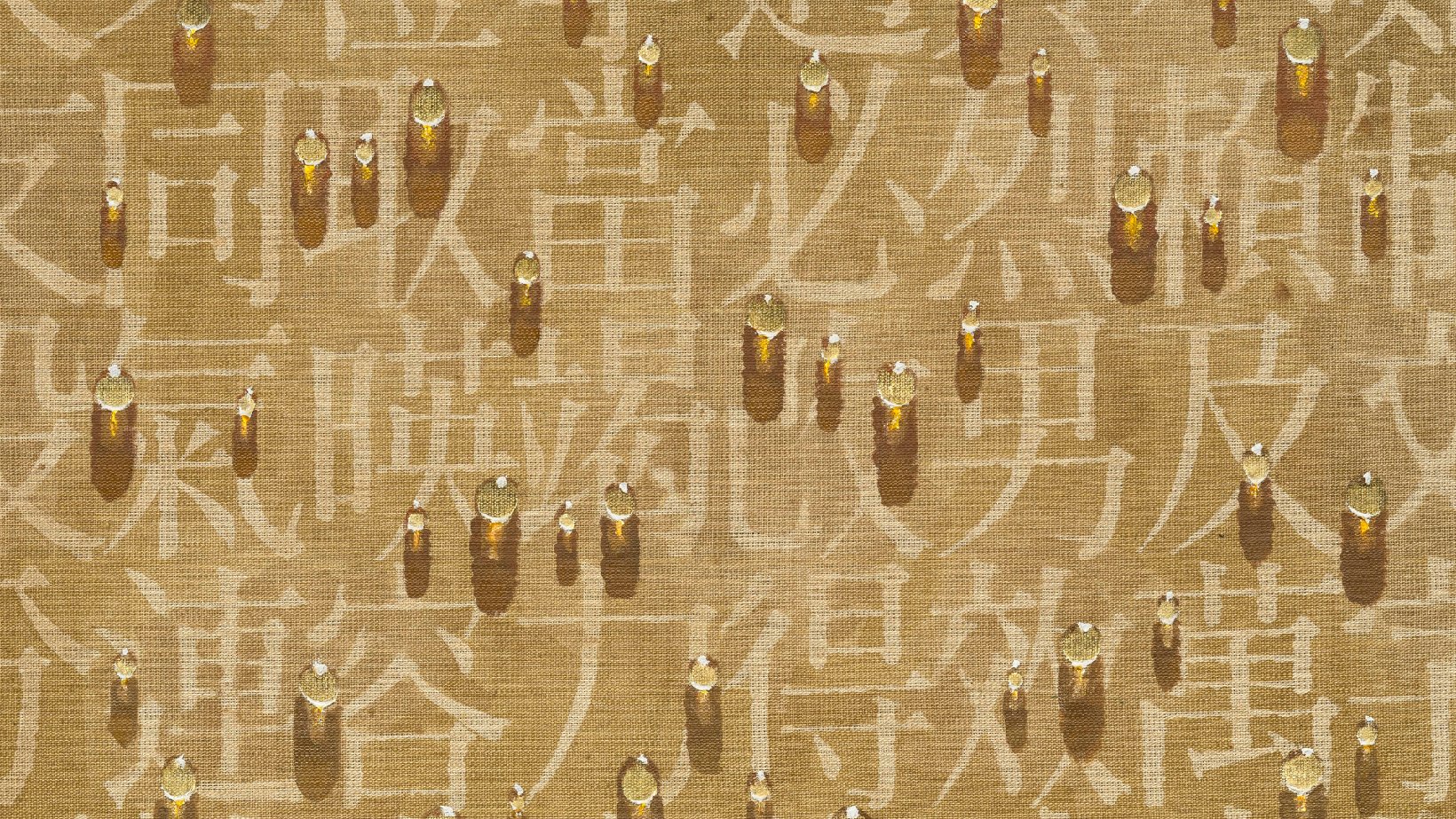
Kim Tschang-Yeul(1929-2021) developed a singular artistic practice centered on the motif of the water droplet, using it as a vehicle to explore existence and emptiness, Eastern philosophy, and the very nature of painting. From the early 1970s onward, he devoted his career to this motif, meticulously rendering the transparency, reflection, and refraction of water droplets with remarkable realism. Yet his paintings transcend mere representation, conveying profound philosophical and spiritual meanings. Drawing upon the trauma of the Korean War and his reflections on the human condition, Kim regarded water droplets as a meditative means of cleansing anguish and desire. Through these suspended droplets, he expressed the cyclical interplay of emptiness and fullness, creation and dissolution.
Born in Maengsan, South Pyeongan Province, in 1929, Kim moved to Seoul in 1946. He entered the College of Fine Arts at Seoul National University in 1949, though his studies were interrupted by the Korean War. Over the course of his career, he held more than sixty solo exhibitions at major museums and galleries worldwide, including the National Museum of Modern and Contemporary Art, Korea (1993), the Sakamoto Zenzo Museum of Art (1998), the Musée des Arts Décoratifs (2004), the National Museum of China (2005), the Busan Museum of Art (2009), the National Taiwan Museum of Fine Arts (2012), and the Gwangju Museum of Art (2014).
In 2013, Kim donated 220 representative works to Jeju Province, leading to the establishment of the Kim Tschang-Yeul Museum of Art in 2016. He continued to work in his PyeongChang-dong studio in Seoul, producing new works until 2019. His final solo exhibition during his lifetime was The Path (2020), presented at Gallery Hyundai. In 2025, a major retrospective of his work was held at the National Museum of Modern and Contemporary Art, Korea, and in 2026, his former home and studio in PyeongChang-dong opened to the public as Kim Tschang-Yeul House, a public art and cultural space dedicated to preserving his legacy.
Working between France and Korea, Kim played a significant role in fostering cultural exchange between the two countries. In recognition of his contributions, he was awarded the Chevalier of the Ordre des Arts et des Lettres by the French government in 1996, the Silver Crown Order of Cultural Merit by the Republic of Korea in 2013, and the rank of Officier of the Ordre des Arts et des Lettres in 2017.
His works are held in the collections of major international institutions, including the Centre Pompidou, the National Museum of Modern Art, Tokyo, the Museum of Fine Arts, Boston, the Kunstmuseum Bochum, as well as the National Museum of Modern and Contemporary Art, Korea, the Seoul Museum of Art, and the Leeum Museum of Art.
김창열(1929-2021)은 ‘물방울’이라는 단일한 모티프를 통해 존재와 허무, 동양적 사유와 회화의 본질을 탐구한 독창적인 작품 세계를 구축해왔다. 1970년대 초부터 평생에 걸쳐 물방울을 주요 주제로 삼은 그는 극사실적인 묘사를 통해 물방울의 투명성과 빛의 반사, 굴절을 정교하게 재현하면서도 단순한 재현을 넘어 철학적 의미를 담아냈다. 작가는 한국전쟁이 남긴 상처와 인간 존재에 대한 성찰을 바탕으로 물방울을 번뇌와 욕망을 씻어내는 수행적 매개체로 인식하였으며, 화면 위에 맺힌 물방울을 통해 비움과 충만, 생성과 소멸의 순환을 표현하였다.
김창열은 1929년 평안남도 맹산에서 태어나 1946년 서울로 월남하였다. 1949년 서울대학교 미술대학에 입학하였으나 한국전쟁으로 끝까지 수학하지는 못하였다. 국립현대미술관(1993), 사마모토젠조미술관(1998), 쥬드폼므미술관(2004), 중국국가박물관(2005), 부산시립미술관(2009), 국립대만미술관(2012), 광주시립미술관(2014) 등 국내외 주요 미술관과 갤러리에서 60여 회의 개인전을 개최하였다. 2013년 대표작 220점을 제주도에 기증하였으며, 이를 계기로 2016년 제주도립김창열미술관이 개관하였다. 서울 평창동 작업실에서 창작 활동을 이어가며 2019년까지 신작을 발표하였고, 2020년 갤러리현대에서 개최한 《The Path(더 패스)》전이 생전 마지막 개인전이 되었다. 이후 2025년 국립현대미술관에서 대규모 회고전이 개최되었으며, 2026년에는 평창동 작업실이 공공문화예술공간인 ‘김창열 화가의 집’으로 개관하여 대중에게 공개되었다. 프랑스와 한국을 오가며 활동한 그는 양국의 문화교류 확대에 기여한 공로를 인정받아 1996년 프랑스 문화예술공로훈장 슈발리에를 수훈하였으며, 2013년 대한민국 은관문화훈장, 2017년 프랑스 문화예술공로훈장 오피시에를 수훈하였다.
그의 작품은 프랑스 퐁피두센터, 일본 도쿄국립근대미술관, 미국 보스턴미술관, 독일 보훔미술관을 비롯하여 국립현대미술관, 서울시립미술관, 삼성미술관 리움 등 세계 주요 미술기관에 소장되어 있다.
Video
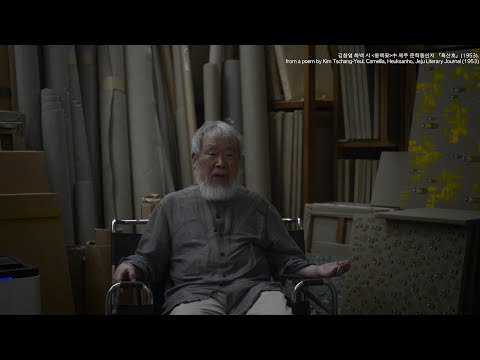
Kim Tschang-Yeul 김창열
Beyond Iridescence
Selected Works
{{ lbCurrent.title }}
{{ lbCurrent.text }}