
Kim Guiline Estate
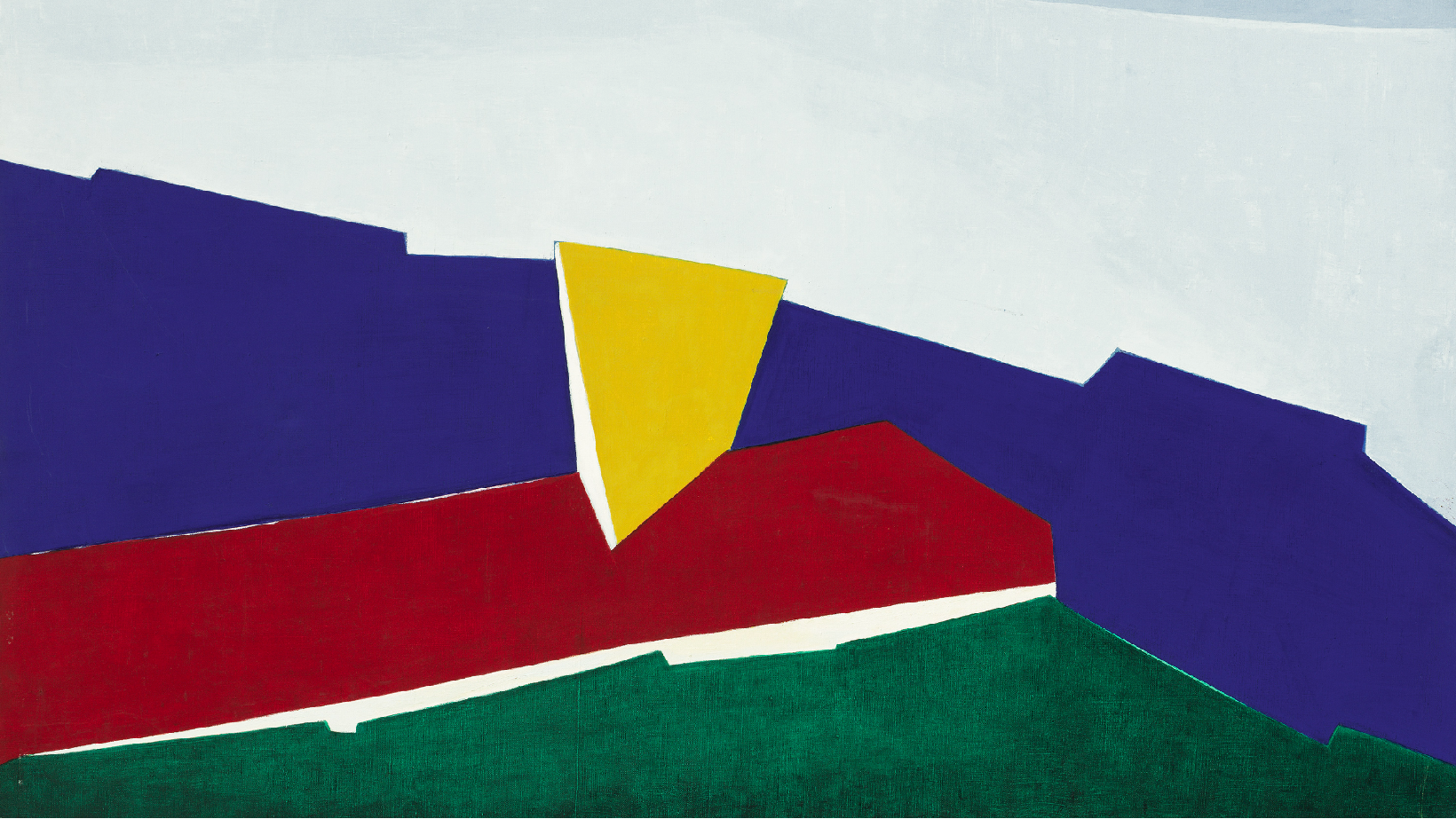
Kim Guiline (1936–2021) graduated from the Hankuk University of Foreign Studies before moving to France where he graduated from École Beaux-Arts and The Arts-Décoratifs in Paris where the artist currently lives and works.
Early in his career Kim worked on objectifying the flat surface of the painting and this focus on flatness has continued throughout his career. In the 1960s his works focused on the pure colors of black and white and their respective absorption and emittance of light. In the 1970s he began to compose smaller squares within the square canvas to deepen the monochrome paintings. Later in his career, Kim identified the dualistic relationship of using vivid primary colors and dots as base units.
Kim’s paintings explore the expressive potential of transparency through the delicate application of thin layers of paint over sculpted hanji (Korean mulberry paper). Applied while wet and carved into furrow-like patterns, the paper carries both the material spirit and cultural heritage of Korea. Emphasizing the tactile and corporeal presence of the work, Kim gradually builds up the painted surface through minute accretions of pigment. For the artist, the ground itself embodies the work’s innate vitality, which is revealed through the successive layering of translucent paint.
Kim describes the surface as a skin that records and preserves the act of making. He further employs spray paint to subtly accentuate the physicality of the textured surface, engaging the viewer’s perceptual awareness and transforming the act of looking into a form of visual meditation. By removing excess oil from oil paint, Kim enhances the work’s sense of flatness, a technique that has become a defining characteristic of his practice and is evident in the distinctive matte quality of his canvases.
Kim’s works are in the public collections of the Musée des Beaux-arts de Dijon, Musée des Beaux-arts de Dijon, Musée National d’art modern de la ville de Paris, Centre National d’art contemporain, Centre National d’art et de culture Georges-Pompidou, National Museum of Contemporary Art, Korea, Seoul Museum of Art, Busan Museum of Art and Daegu Art Museum.
김기린(1936–2021)의 회화는 캔버스 위에 한지를 여러 장 겹치고, 그 위에 수 차례 덧발라진 물감을 통해 투명함이 지닌 힘과 미묘함을 탐색한다. 캔버스가 마르지 않은 상태에서 덧대어진 종이는 고랑처럼 홈이 패어 한국 문화 고유의 혼과 색채를 담게 된다. 작가는 세심하고 느리게 물감을 쌓아올려 작품의 감촉과 물성을 강조하는데, 이렇듯 얇게 덧바른 물감 층 바탕체의 본질은 작품 고유의 속성으로 자리잡게 되는 것이다. 1970년대의 〈보이는 것과 보이지 않는 것〉 연작과 1980년대의 〈안과 밖〉 연작은 다층의 레이어를 통해 물감과 한지의 물성을 드러내며 유기체적 대상으로의 작품을 구성하게 된다. 김기린은 작품의 표면을 창작의 행위를 고스란히 담아내는 살결로 묘사한다. 또한 스프레이 물감을 사용하여 표층의 물질적 특성을 기민하게 강조함으로써 작품을 감상하는 이들이 지각할 수 있도록 이끄는 것은 물론, 시각적 명상으로 감상을 가능하게 한다.
김기린은 한국에서 문학을 공부하였고, 이후 프랑스로 이주하여 디종대학교, 파리국립미술학교, 파리국립장식고등학교에서 수학하였다. 김기린의 작업은 2011년 대구미술관, 2008년 서울시립미술관, 국립현대미술관 등 주요기관에서 전시되었다. 그의 대표작은 국립현대미술관, 과천; 대구미술관, 대구; 부산시립미술관, 부산; 서울시립미술관, 서울; 우종미술관, 보성; 리움미술관, 서울; 파리시립현대미술관, 파리; 디종미술관, 디종 등에 소장되어 있다.
Video
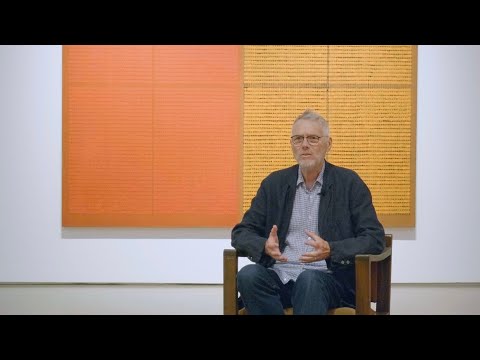
Kim Guiline 김기린
Undeclared Fields with Simon Morley
Selected Works
Exhibitions
{{ lbCurrent.title }}
{{ lbCurrent.text }}