
Choi Minhwa
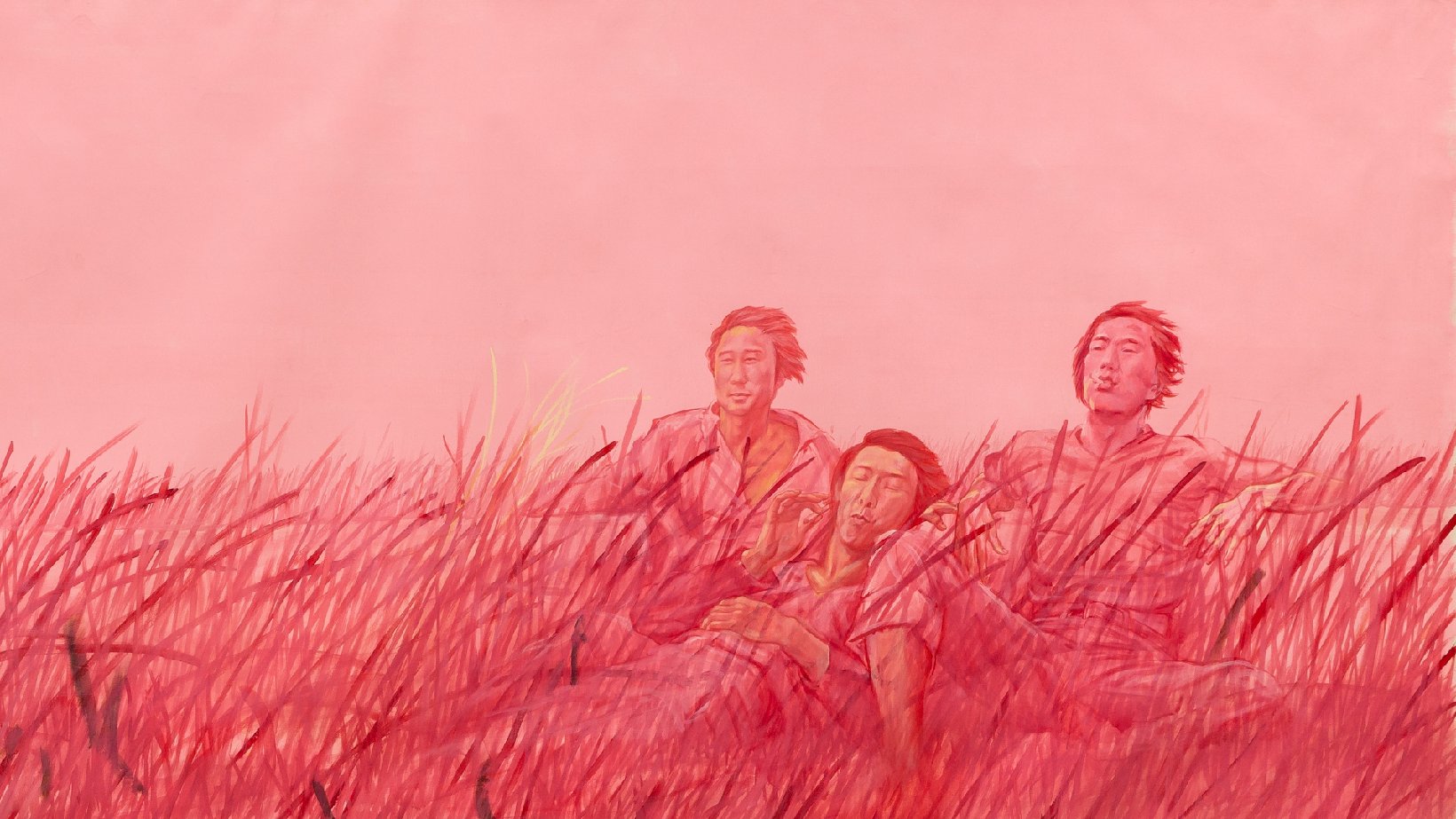
Widely considered a representative artist of the politically tinged Korean Minjung art movement, Choi Minhwa’s artistic world finds apt expression in his chosen moniker, “Minhwa.” In 1982, the artist renounced his birth name of Choi Cheol-hwan and has since been working under the sobriquet Choi Minhwa (崔民花) which means “the people are flowers.” As befits such a name, the main subject of Choi’s works has long been “the people,” the ordinary individuals who live day to day in a given era. He takes the irrational realities and existential agonies directly resulting from the cycles of modern Korean history and captures them in his work using the classic genres of figure and history painting. In his Vagrancy series (1967–1988), the artist used vivid color and expressionistic brushstrokes to communicate the breathlessly accelerated rate of modernization being pursued under the mantra of “a better life” that left no place in mainstream society for the vagrant figure. In the Pink series (1989–1999), a crowd of figures emerges from a field dominated by pink, inviting contemplation of the human condition existing at the crossroads between the failure and success of the movement to resist governmental suppression of human freedom. In a similar vein, his June (1992–1996) series records the historic and tumultuous struggle for democracy in the form of a large-scale hanging painting. In the Youth-Gray series (2005–2007), the artist, then in his fifties, documents the lonely, alienated wanderings of young people in the city, ghostly and gray.
Choi Minhwa (birth name Choi Cheol-hwan) was born in 1954 in Tongui-dong, Jongno-gu, Seoul. During his time as a student at Shin-il Middle School, he was active in literary clubs and art clubs, drawing satirical cartoons for the school paper and trying his hand at oil paint for the first time. An immensely talented artist from childhood, he entered Hongik University, majoring in Western Painting, immediately upon his graduation from high school in 1974. In 1976 he began his first painting series, Vagrancy (1967–1988), with a self-portrait. In 1981, he left Korea and spent time in the US and Mexico. After a year and two months abroad, he returned home the following year. Throughout the 1980s, Choi was deeply involved in the Minjung art movement, living as both an artist and an activist. But by 1987—with the rise of Roh Tae-woo administration—he shifted his focus back to his own painting, wrapping up Vagrancy, and introducing Pink (1989–1999). Entering the 2000s, Choi exhibited multiple major series on the theme of reexamining history, including Notes for Joseon Sanggosa (1996–2003), Youth–Gray (2005–2006), Twentieth Century (2006–2007), and Remembrance of Twentieth Century Paintings (2008–2009). In 2020, the artist presented his most recent series, Once Upon a Time (2014–2020), at Gallery Hyundai solo exhibition, Choi Minhwa : Once Upon a Time. He has held solo exhibitions at the Daegu Art Museum, Daegu (2018); Alternative Space Loop, Seoul (2017, 2003); Hapjungjigu, Seoul (2016); and Arko Art Center, Seoul (2007). Choi has also participated in numerous group exhibitions including at Gallery Hyundai, Seoul (2025, 2024); Daegu Art Museum, Daegu (2024, 2021, 2020); Asian Culture Center, Gwangju (2018); Seoul Museum of Art, Seoul (2012); Kunsthalle Wien, Wien (2007); Bandaijima Art Museum, Niigata (2007); the 6th Gwangju Biennale, Gwangju (2006); Rodin Gallery, Seoul (2006); and Kunsthalle Darmstadt, Darmstadt (2005). Choi Minhwa’s works are part of the permanent collections at National Museum of Modern and Contemporary Art, Korea (MMCA), Seoul; Seoul Museum of Art, Seoul; Daegu Art Museum, Daegu; Ilmin Museum of Art, Seoul; and Leeum Museum of Art, Seoul among others.
한국 현대미술사의 민중미술 대표 작가로 알려진 최민화의 작품 세계는 ‘민화’라는 그의 이름에서 잘 드러난다. 그는 1982년부터 본명 최철환 대신 ‘민중은 꽃이다’라는 의미를 지닌 ‘최민화(崔民花)’라는 예명으로 작품 활동을 이어왔다. 그의 이름처럼, 최민화의 작품 속 주인공은 언제나 ‘민중’, 이 시대를 하루하루 사는 평범한 사람들이다. 작가는 굴곡진 한국 현대사의 흐름에 내던져진 그들이 처한 부조리한 현실과 실존적 고민을 인물화, 역사화라는 가장 오랜 회화의 장르로 캔버스에 포착했다. ‘잘살아 보자’는 구호 아래 숨 가쁘게 진행된 근대화로 인해 주류 사회에서 소외된 ‘부랑자’의 모습을 강렬한 색채와 표현주의적 붓질로 담은〈부랑〉(1976–1988) 연작, 분홍색이 지배적인 화면 속 군상의 모습을 통해 인간의 자유를 억압하는 공권력을 향한 저항과 운동의 승리냐 실패냐의 갈림길에 선 인간의 조건을 성찰한 〈분홍〉(1989–1999) 연작, 민주화 투쟁의 뜨거웠던 역사적 현장을 대형 걸개그림으로 기록한 〈유월〉(1992–1996) 연작, 50대가 된 작가가 유령같이 도시를 방황하는 동시대 청춘들의 모습을 회색빛이 강조된 쓸쓸한 분위기의 화면에 그린 〈회색 청춘〉(2005–2007) 연작이 이에 해당한다.
최민화(본명 최철환)는 1954년 서울시 종로구 통의동에서 태어났다. 신일중학교 재학 시절부터 문예부, 미술반에서 활동하면서 신문에 만평을 그렸고, 처음으로 유화물감을 사용해 보기도 했다. 어린 시절부터 그림 실력이 뛰어났던 그는 신일고등학교를 졸업한 1974년, 홍익대학교 서양화과에 진학했다. 1976년 자화상으로 〈부랑〉(1976–1988) 연작을 처음 시작했다. 1981년 한국을 떠나 미국과 멕시코에 거주했고, 이듬해 1년 2개월 동안의 해외 거주를 끝내고 한국으로 돌아온다. 1980년대의 최민화는 민중미술 운동에 참여하며 활동가로서의 삶을 살아갔다. 6월항쟁과 노태우 정권이 들어선 1987년을 기점으로 순수 회화 작업으로 복귀한 그는 〈부랑〉 연작을 마무리하고, 〈분홍〉(1989–1999) 연작을 발표한다. 2000년대에 들어 작가는 〈조선 상고사 메모〉(1996–2003) 연작에 더불어, 〈회색 청춘〉(2005–2006), 〈20세기 연작〉(2006–2007), 〈20세기 회화의 추억〉(2008–2009) 등 ‘역사 다시 보기’를 테마로 한 굵직한 연작을 발표하고, 2020년 〈Once Upon a Time〉(2014–2020)을 갤러리현대 개인전을 통해 발표한다. 이외에도 작가는 대구미술관, 대구(2018); 대안공간루프, 서울(2017, 2003); 합정지구, 서울(2016); 그리고 아르코미술관, 서울(2007)에서 개인전을 개최했다. 작가는 갤러리현대, 서울(2025, 2024); 대구미술관, 대구(2024, 2021, 2020); 국립아시아문화전당, 광주(2018); 서울시립미술관, 서울(2012), 쿤스트할레빈, 빈(2007); 반다이지마미술관, 니가타(2007); 광주비엔날레 전시관, 광주(2006); 로댕갤러리, 서울(2006); 그리고 쿤스트할레다름슈타트, 다름슈타트(2005) 등 다수의 국내외 기획전에 참여했다. 그의 작품은 국립현대미술관, 과천; 서울시립미술관, 서울; 대구미술관, 대구; 일민미술관, 서울; 그리고 리움미술관, 서울 등 유수의 기관에 소장되어 있다.
Video
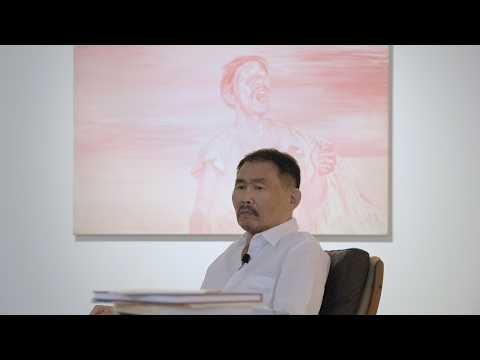
Choi Minhwa 최민화
Pink - In the Wind | Gallery Hyundai
Selected Works
{{ lbCurrent.title }}
{{ lbCurrent.text }}